2026 edition over
The next edition has no date yet.
When the organisers set one, this page updates.
The flagship event
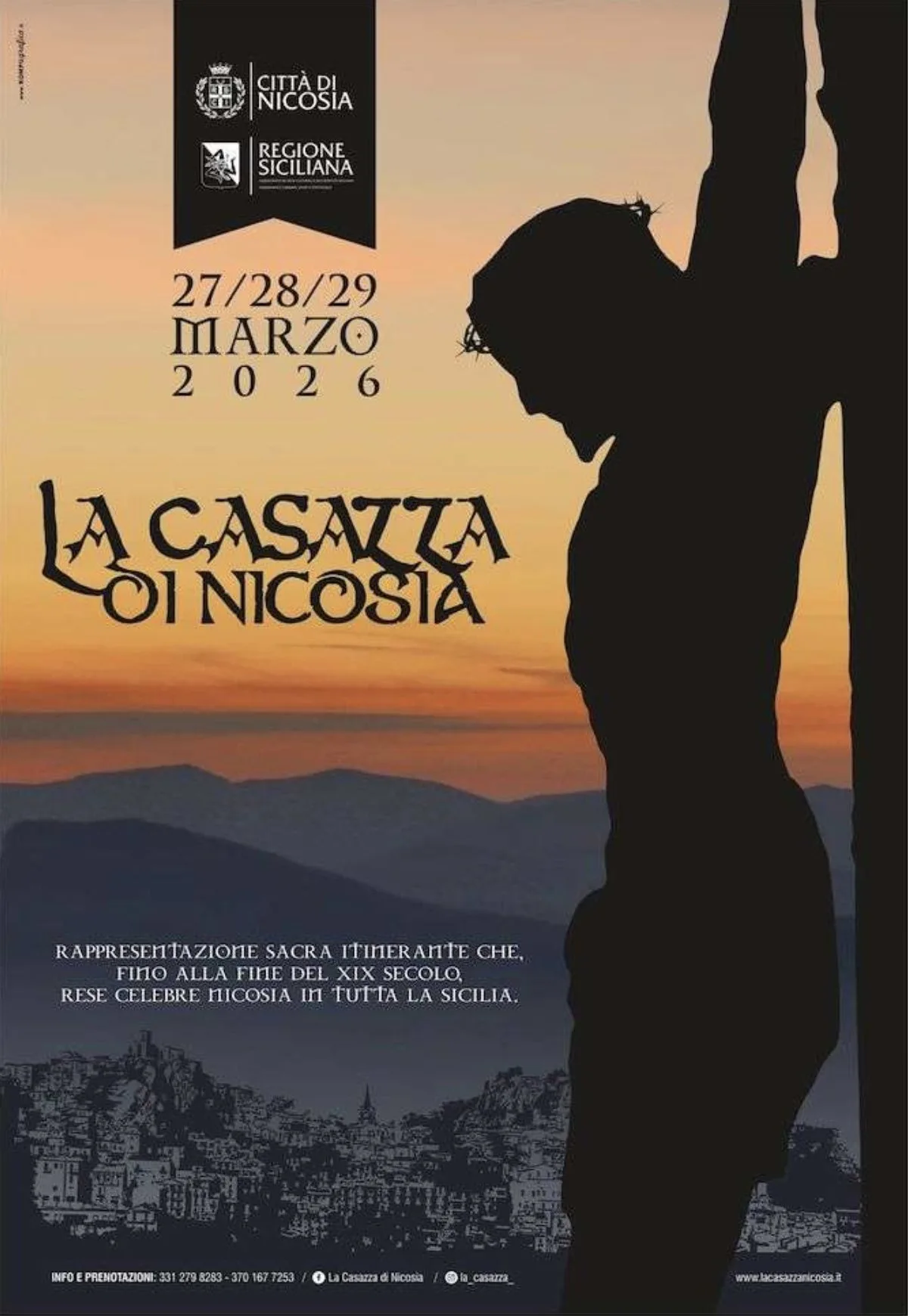
The Casazza is Nicosia’s flagship cultural event. Ligurian origins in the 16th century, imported into Sicily via Genoa-Palermo trade. In the 19th century it was performed on Good Friday, from morning until late at night: in the 1851 edition there were “nearly 1,200” characters, according to the local historians Beritelli and La Via as quoted by Giuseppe Pitrè. Pitrè called it “the most solemn Casazza, the most resounding, I would even say the most spectacular in the whole island” (Spettacoli e feste popolari siciliane, Palermo 1881, pp. 116-118, digitised text).
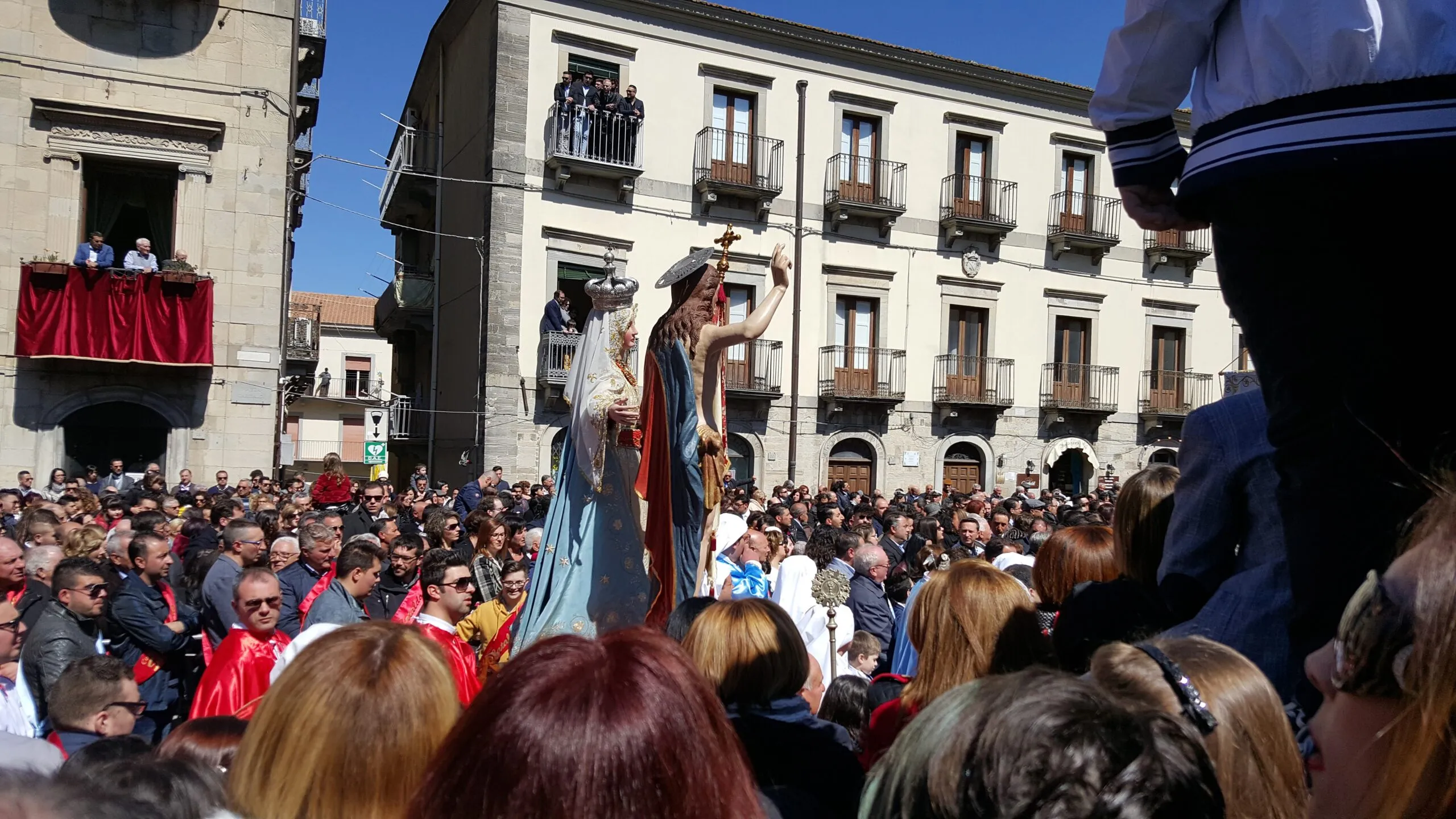
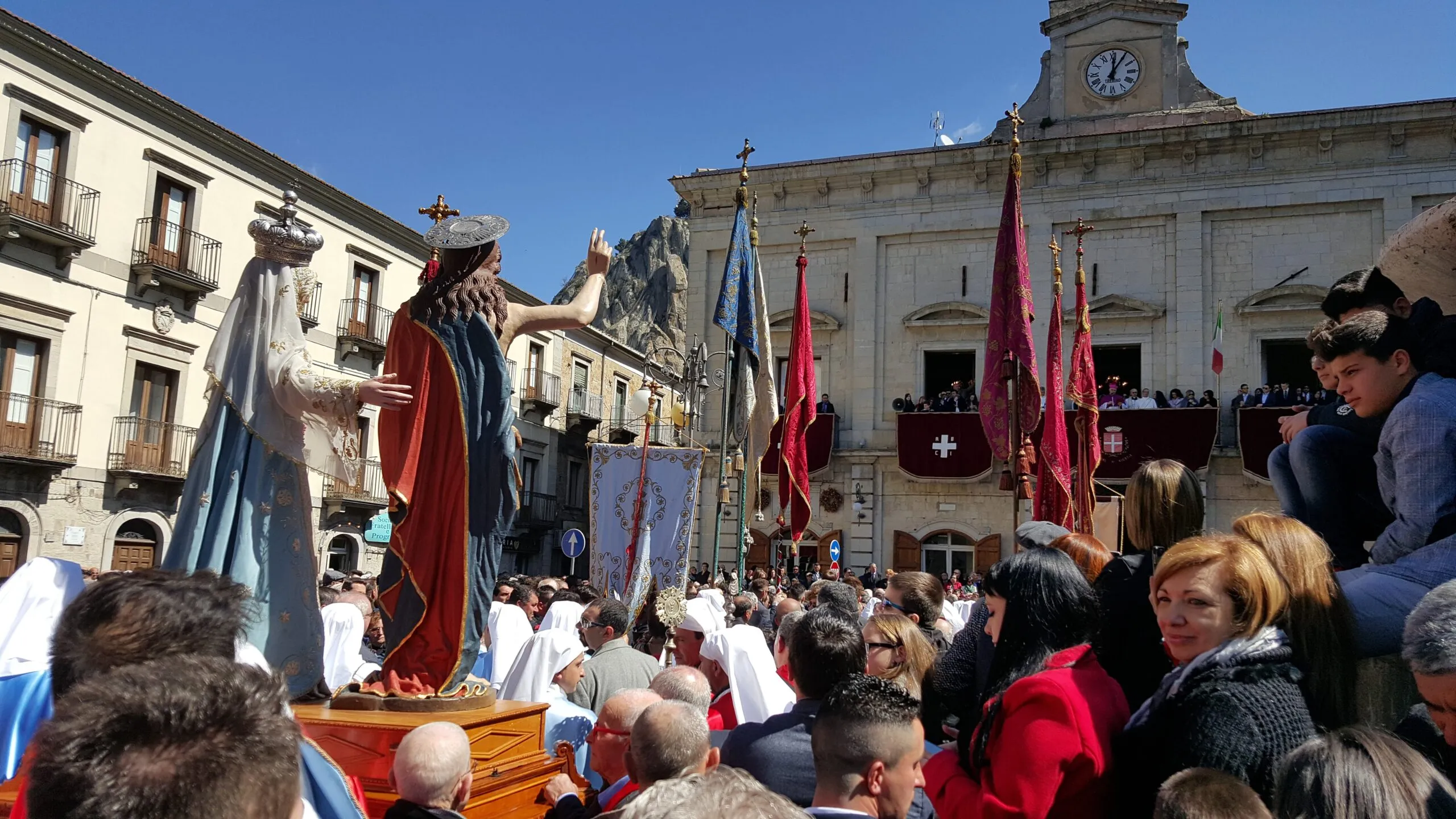
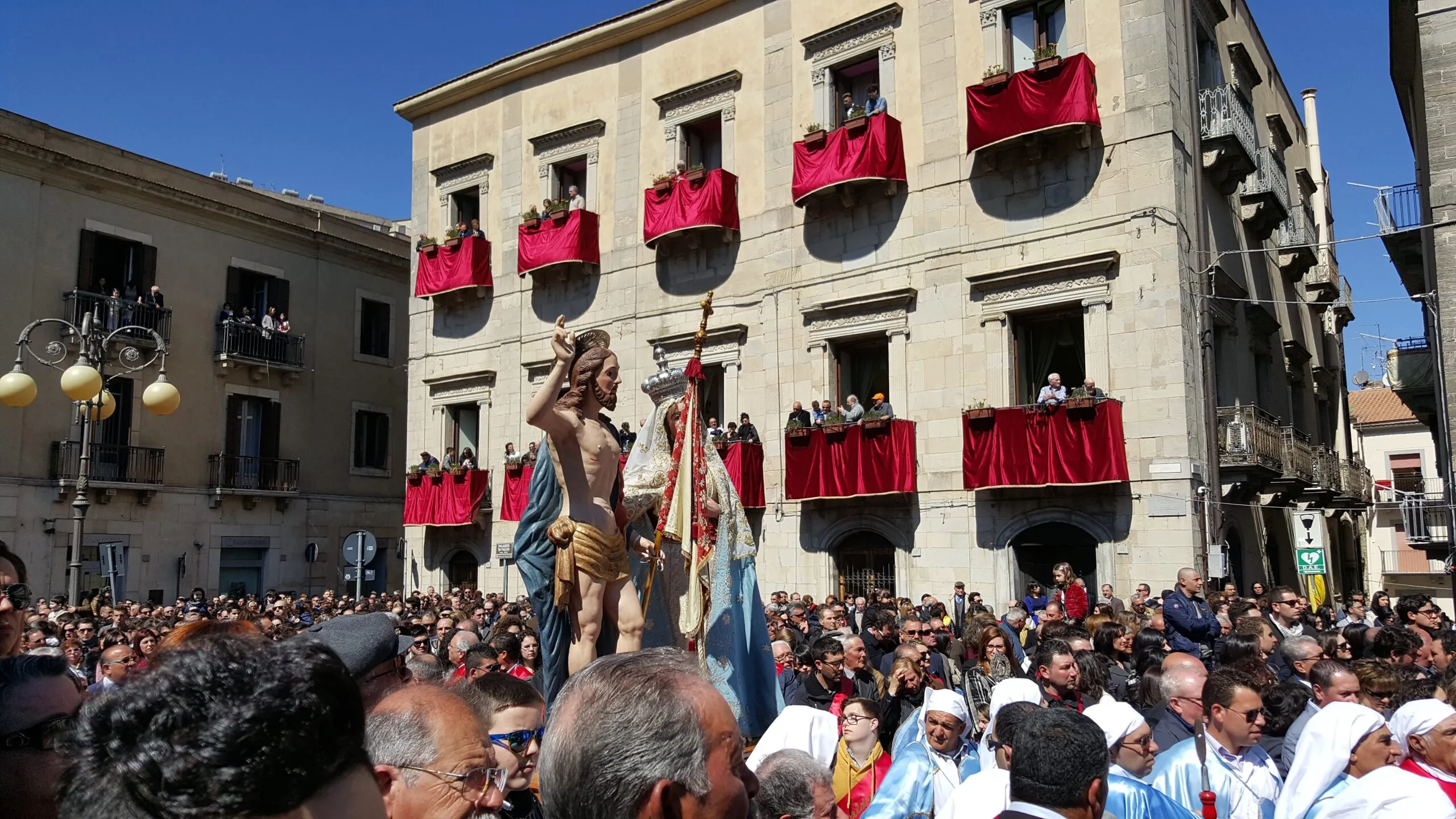
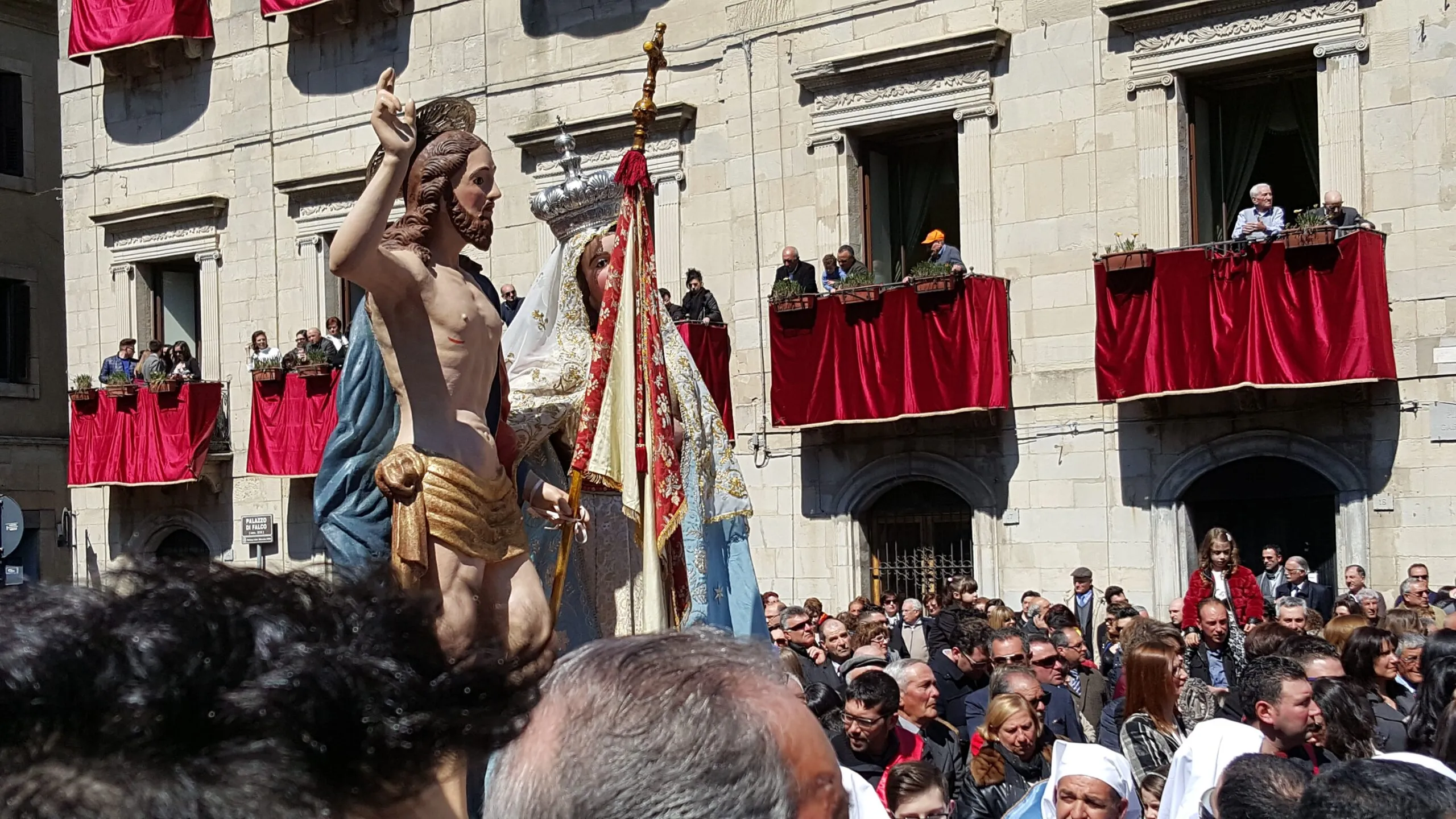
After 165 years of silence — the last 19th-century Casazza was the one of 1851 (Pitrè, p. 117) — the modern re-edition began in 2016 (Telenicosia, 22 February 2023: «after 165 years a Nicosian tradition was recovered») with a core of local theatre companies and associations. The contemporary Casazza keeps the itinerant structure: starting at the Cathedral, the procession crosses the historic centre, stopping in squares and parvises for the key scenes (trial before Caiaphas, Pilate’s judgement, flagellation, Crucifixion, deposition).
The latest edition
The ninth edition ran from 27 to 29 March 2026, Friday to Palm Sunday, starting at 16:00: around four hundred people among actors, costumed figures and crew, and the route gathered into three scenes entrusted to three local companies (source: Telenicosia; details in this page’s past editions). The 2027 programme has not been announced yet.
Access
Information on access and any tickets for the 2027 edition has not been published by the organisers yet.
If you’re coming from abroad
The Casazza is the moment of the year when Nicosia attracts its largest international flow. We strongly suggest booking accommodation at least 2 months in advance (see Plan your trip).
A note of respect
The Casazza is at once a popular performance and a religious moment. The figures are locals, not actors. The stage is the city and its squares. Visitors are asked to behave accordingly: silence during scenes, no flash, no obstruction of the procession’s path.