No bread, no pasta
The Feast of Saint Lucy on 13 December is one of the most curious
and most-living Sicilian traditions. According to popular custom, on
this day neither bread nor pasta is eaten: in commemoration of a
legendary famine of 1646, during which — tradition says — Saint Lucy
miraculously caused a ship laden with wheat to arrive in Palermo
precisely on 13 December.
Sicilians — and Nicosians — therefore give up bread and pasta for
that day, and eat typical alternatives.
What you eat
Cuccìa
The queen of 13 December is cuccìa: durum wheat cooked after days
of soaking, dressed in two variants:
Sweet cuccìa (the most widespread):
- cooked wheat;
- sweetened ricotta from local sheep;
- candied fruit (pumpkin, orange peel, citron);
- grated chocolate;
- cinnamon.
Savoury cuccìa:
- cooked wheat;
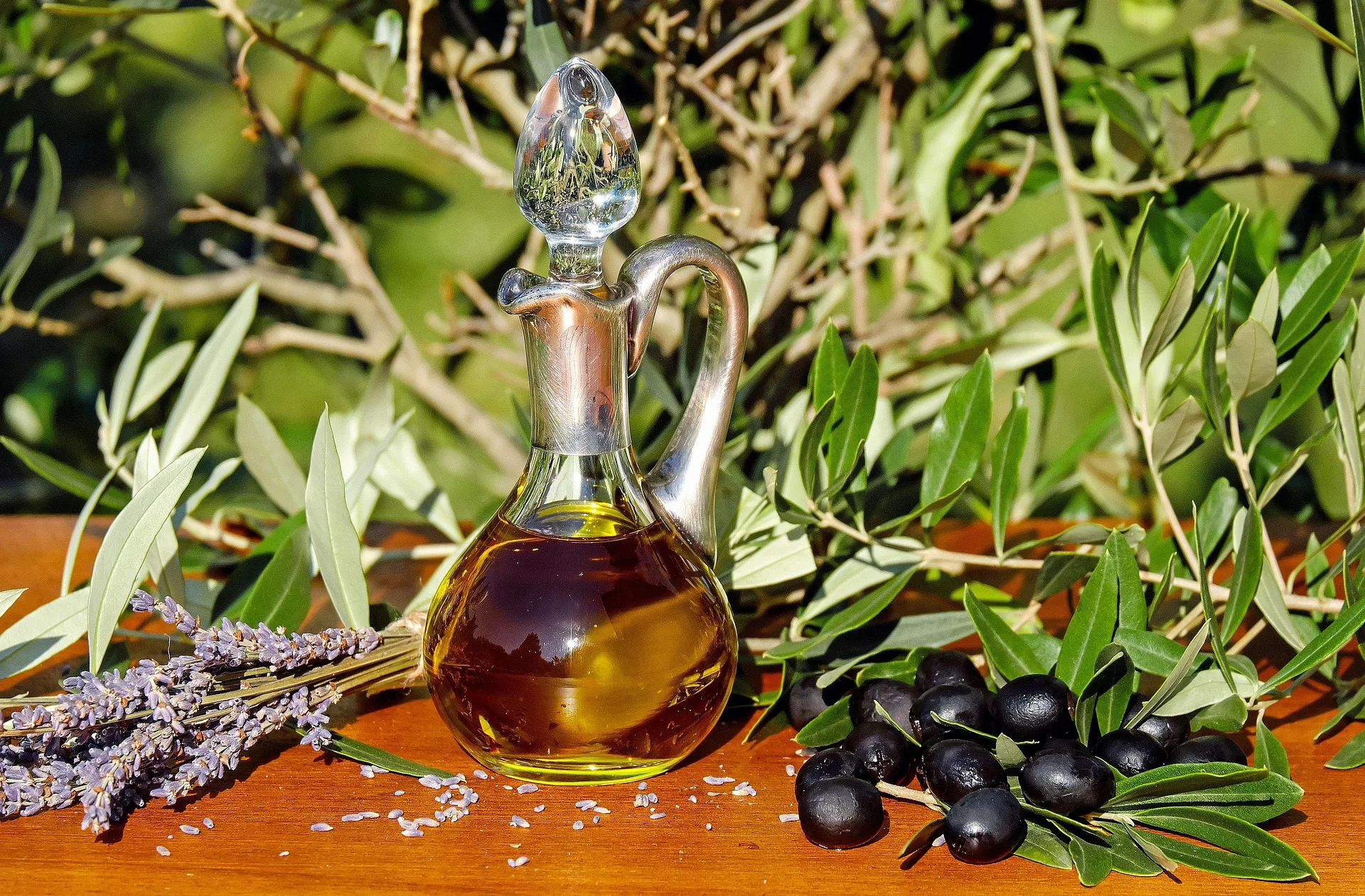
- extra-virgin olive oil (new, of the season);
- coarse salt;
- pepper;
- sometimes legumes (chickpeas, broad beans) cooked with the wheat.
Arancine
Saint Lucy’s Day is also the day of arancine, the other alternative
to bread and pasta. In Nicosia these are prepared:
- al ragù (rice, meat and pea filling);
- al burro (white rice with ham and mozzarella);
- with spinach (vegetarian).
Bread with olive oil
For those who really do not give up bread, the Sicilian alternative is
“pane e olio”: a slice of stale bread soaked with new
extra-virgin olive oil, salt and sometimes anchovy or sun-dried
tomato. The dish’s simplicity echoes the austerity of the day.
Saint Lucy’s lights
In Nicosia, as throughout Sicily, on the evening of 13 December the
first Christmas lights of the historic centre are switched on. For
Nicosian children it is the moment when Christmas becomes visible:
the squares light up, the pastry shops display their typical sweets,
the smell of roasted almonds fills the alleys.
The religious feast
Historic-centre churches celebrate solemn Mass for Saint Lucy,
patron of the blind and of those who suffer eye troubles. The
Confraternity of Saint Lucy (small but active today) organises
the evening vigil and a small procession inside the Church of Saint
Joseph (see historic-centre churches).
Visiting
- Historic pastry shops: open from the afternoon of 12 December for
those who want to buy sweet cuccìa or arancine.
- Solemn Mass: 6:30 pm in the historic-centre parishes.
- Christmas-lights switch-on: official ceremony 6 pm in Piazza
Garibaldi.
It is a family, small-town feast, not a tourist event. The
atmosphere is one of quiet rite the whole town lives together.