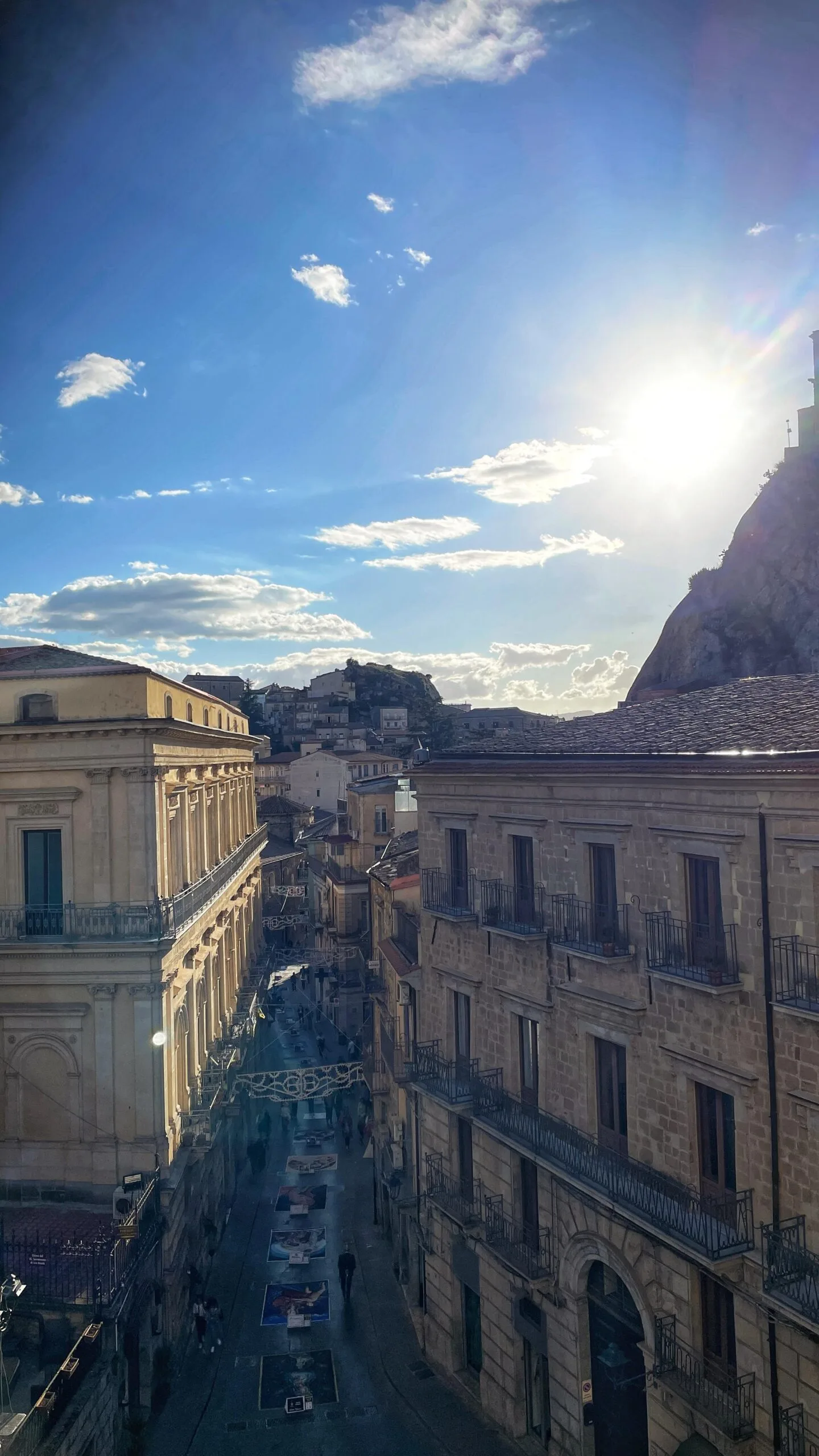
The historic centre — a baronial palimpsest
Nicosia’s historic centre reads like an urban palimpsest: at the bottom, the medieval plan of the Byzantine-Norman castle; on top, the 17th-century expansions when the noble families built their representative residences; around the Cathedral, 19th-century additions; and finally, the contemporary insertions in the squares.
The urban axis runs between Piazza Garibaldi (San Nicolò Cathedral + Town Hall) and Piazza Mazzini, then climbs to the Castle through the stairways that cross the palaces. It is in these alleys that the twenty-four baronial residences are concentrated — some still inhabited, some turned into institutional seats, some in precarious conservation.
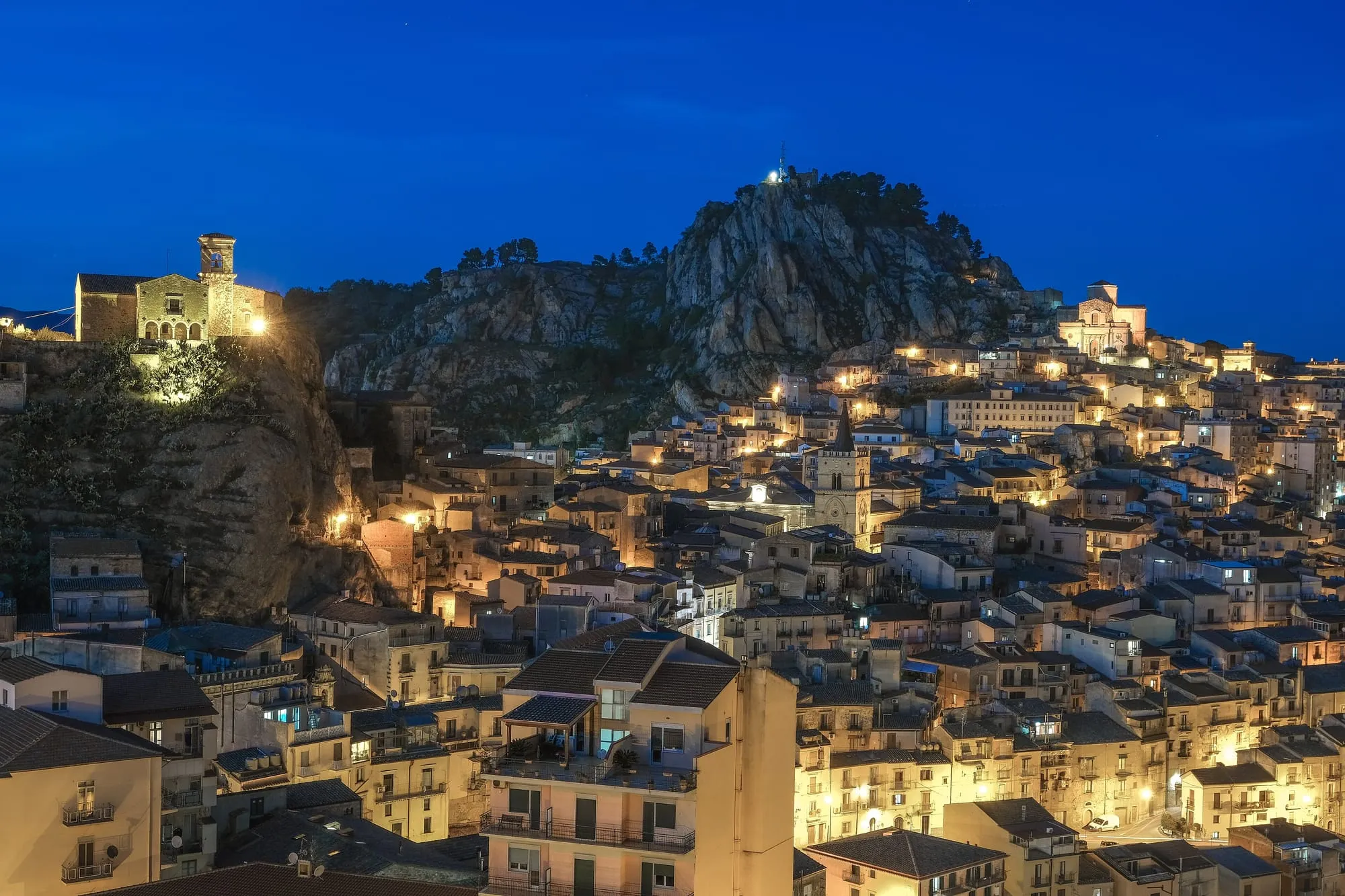
Historical note — According to the Petra d’Asgotto Ecomuseum, the epithet «town of the 24 barons» most likely dates to the erection of the diocese (1817) and refers to the twenty-four baronies of early modern Nicosia, while the barons recorded at the end of the 17th century numbered eighteen.
Why “the 24 Barons”
Nicosia’s urban identity took shape between the 17th and 19th centuries around the twenty-four noble families who built here their palaces. From this core comes the formula “City of the 24 Barons” — not an official noble title but a popular self-attribution that tells of the social and architectural stratification of the town.
The “24 Barons” name later entered the toponymy and everyday culture of Nicosia: the 24 Baroni Brewery (Slow Food), the 24 Barons Trail (trekking between Nicosia, Sperlinga and Cerami), the Tavolo dei Baroni (traditional dinner), the White Night of the 24 Barons (July).
Flagship palaces — detailed pages
Three baronial residences have a dedicated detail page:
- Palazzo Speciale di Mallia — one of the best-documented, 18th-century architecture.
- Palazzo La Motta di San Silvestro — faces Via Addiencante, linked by toponymy to the Gran Premio La Motta.
- Palazzo Camiolo — third flagship of the network.
Civil buildings always open
- Bishop’s Palace — seat of the Diocese of Nicosia, adjacent to the Cathedral. Open by booking with the Diocese.
- Town Hall — the current Municipality of Nicosia, on Piazza Garibaldi. The Council Hall is open on request through the Mayor’s Office.
For the other baronial houses
The private palaces are not regularly open inside, except for special events (National Heritage Days, White Night, occasional summer openings organised by the Pro Loco). The façades and portals are however visible from the street along the historic-centre walking tour route (experience).
One of the Municipality and Pro Loco’s ongoing initiatives is the systematic photographic cataloguing of the heraldic shields above the portals, towards a QR-activated interpretive path linking each palace to the family history.
Conservation status
Many baronial palaces are today in heterogeneous conservation conditions. The Municipality has opened a dialogue with private owners to identify possible restoration interventions financed by the PNRR Historic Villages Line and the Sicilian Region’s Fund for Private Cultural Heritage.
Gallery — the 24 baronial houses
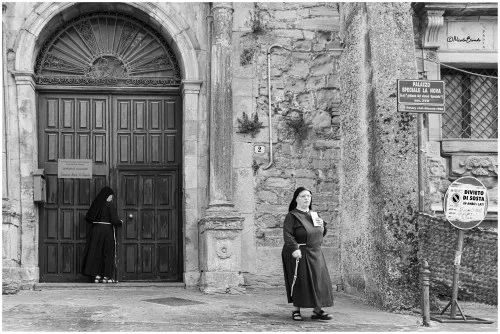
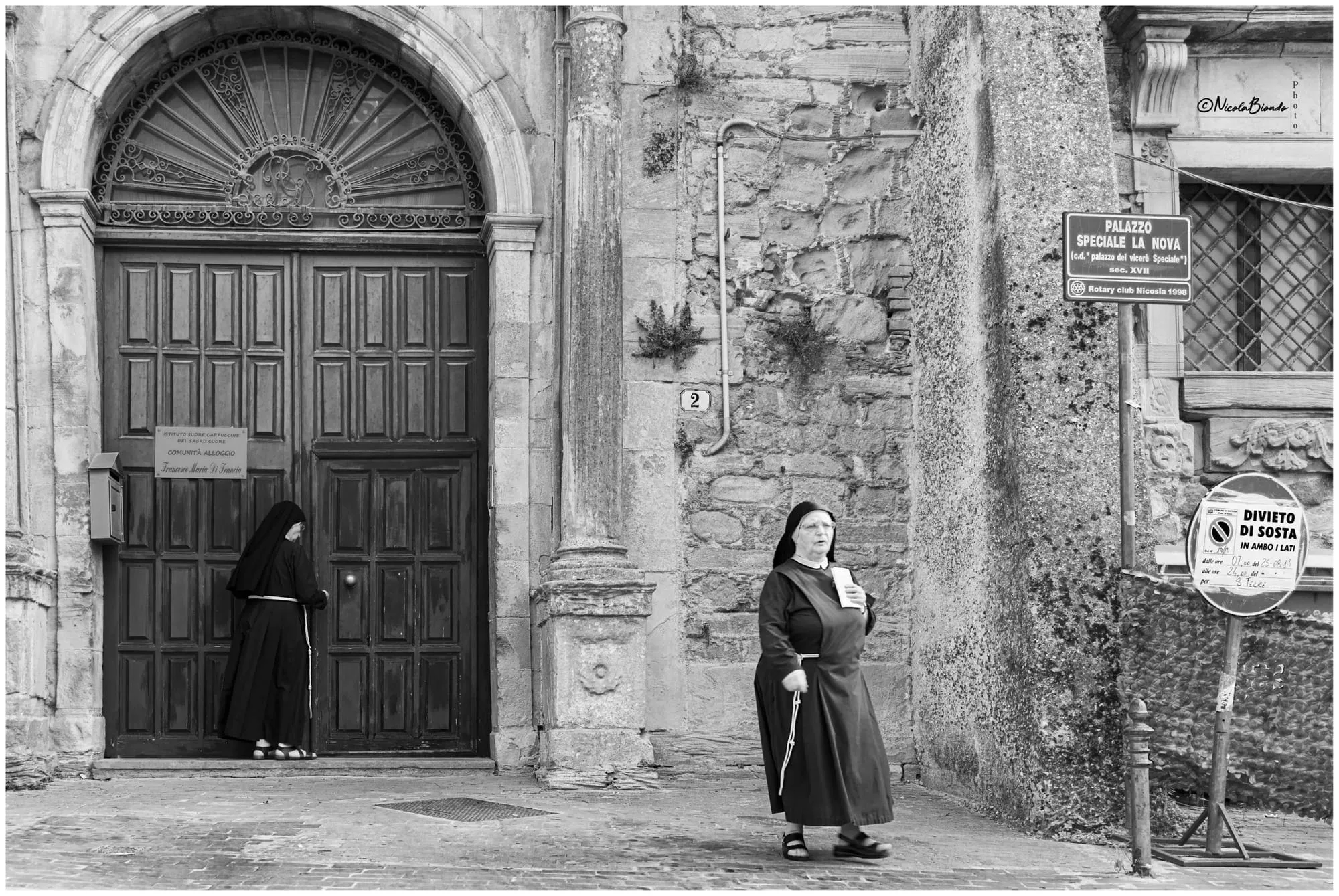
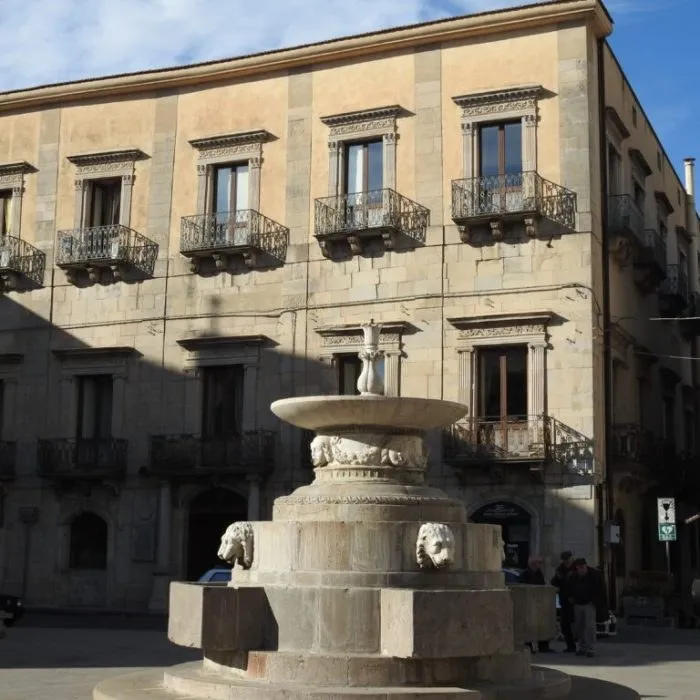
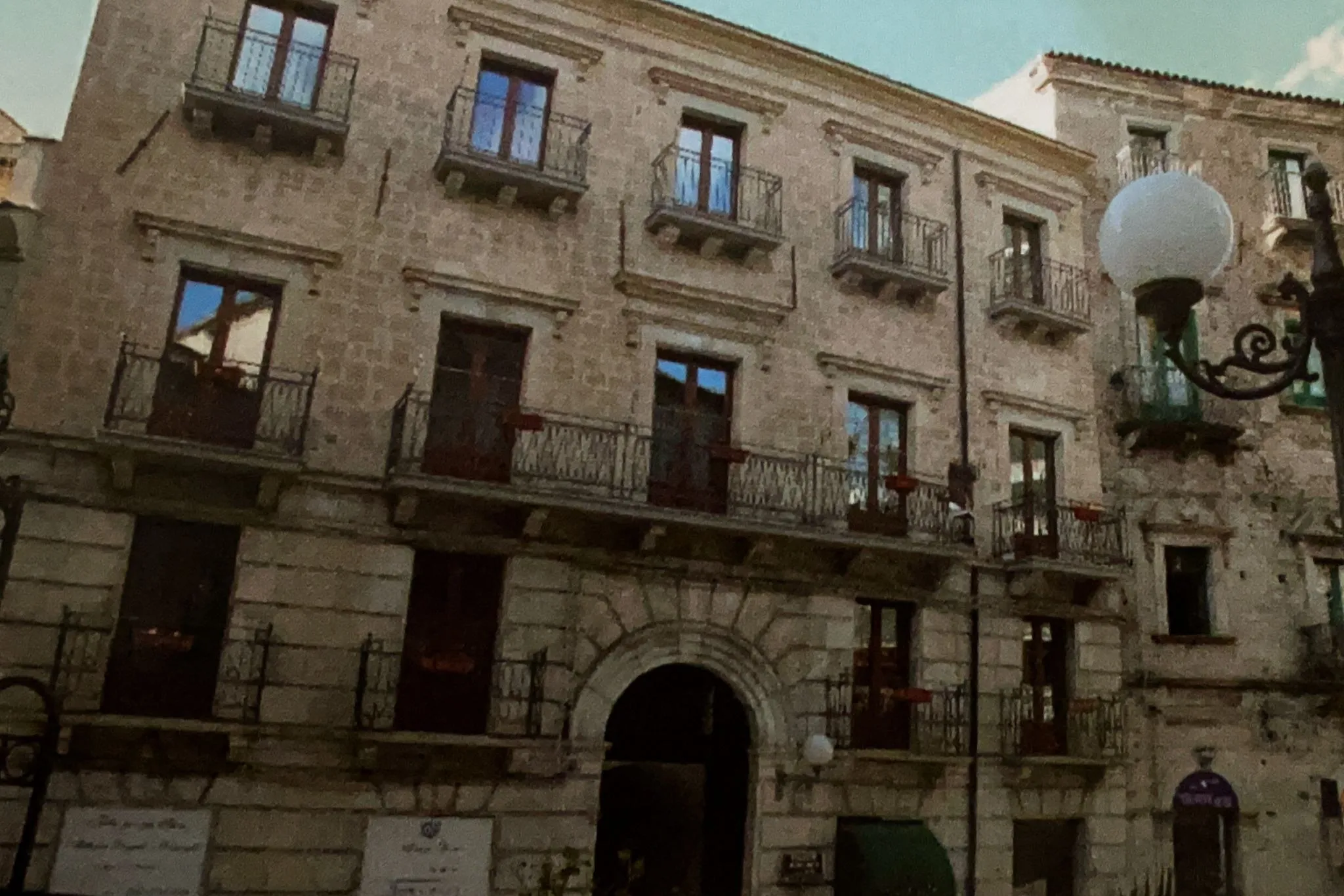
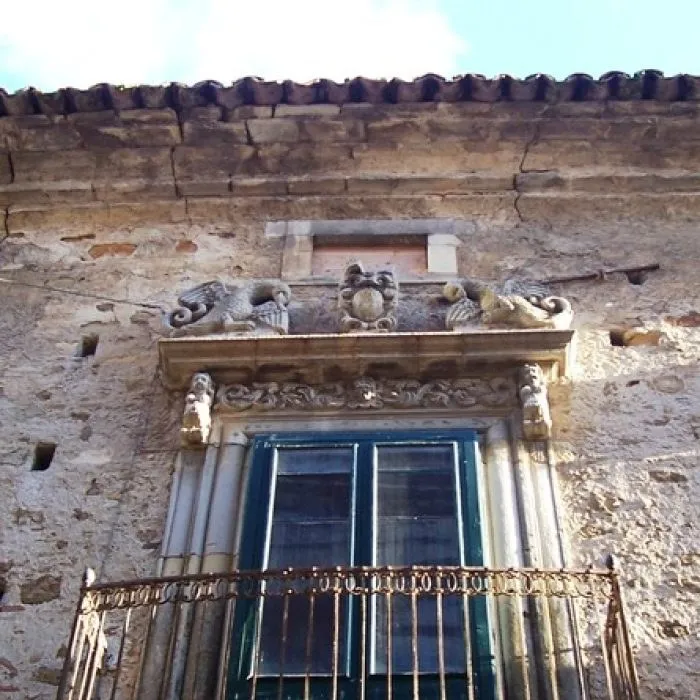
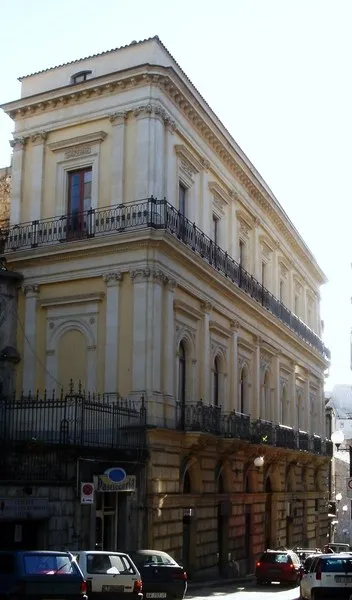
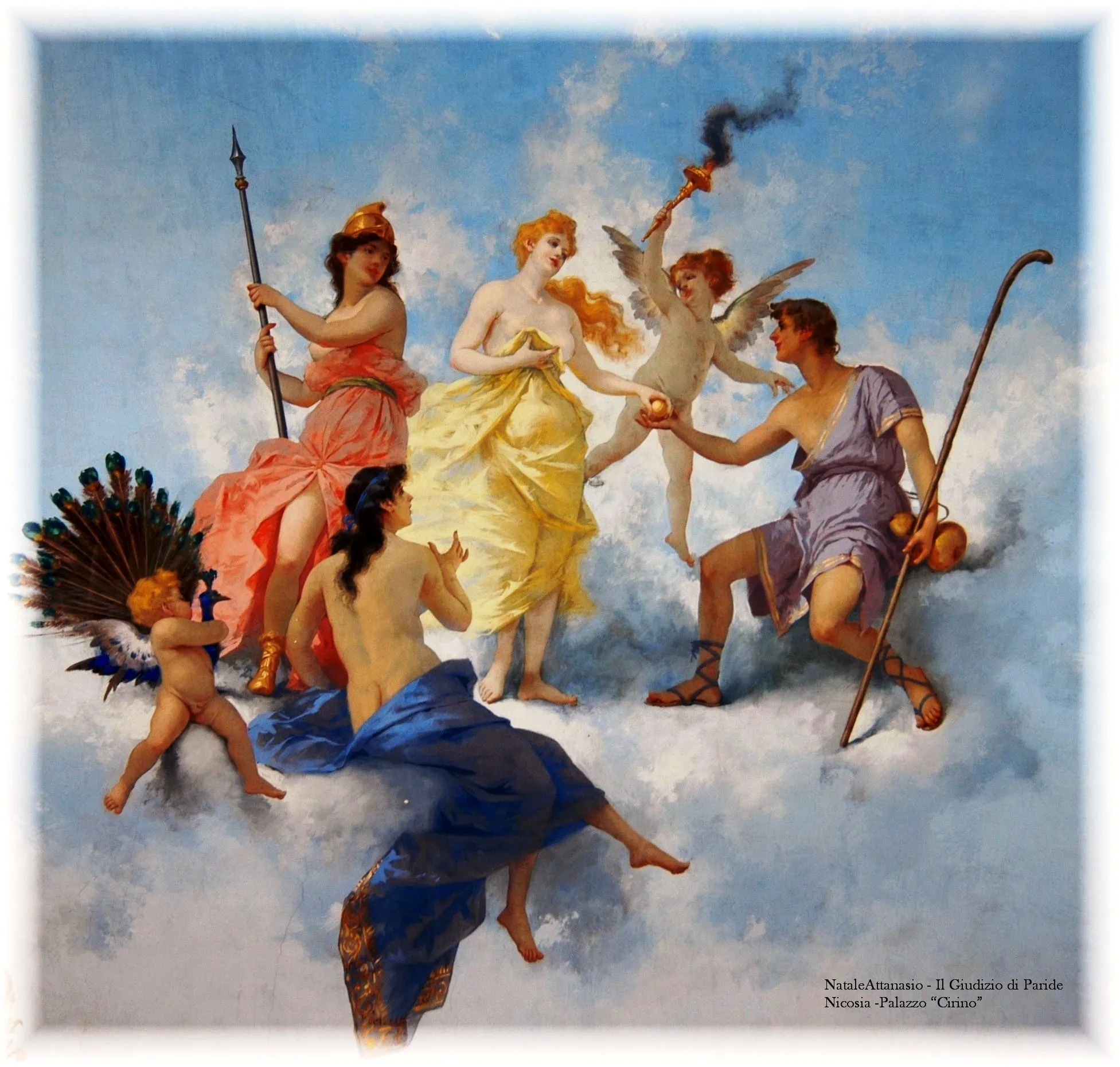
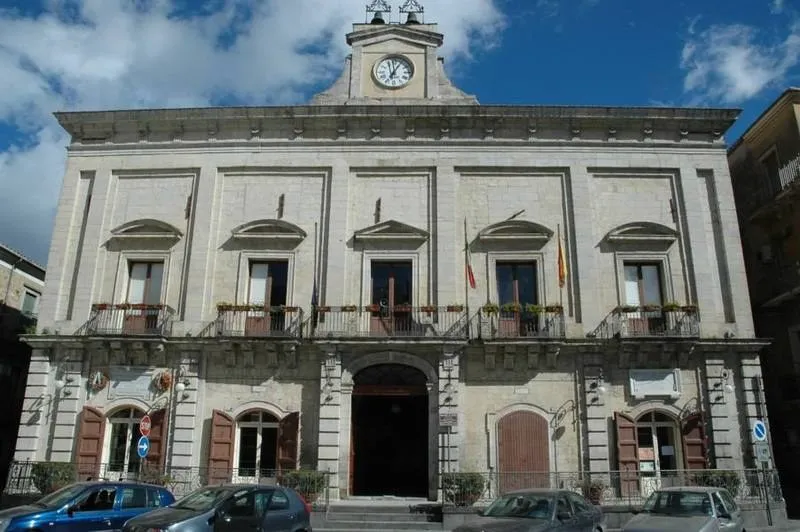
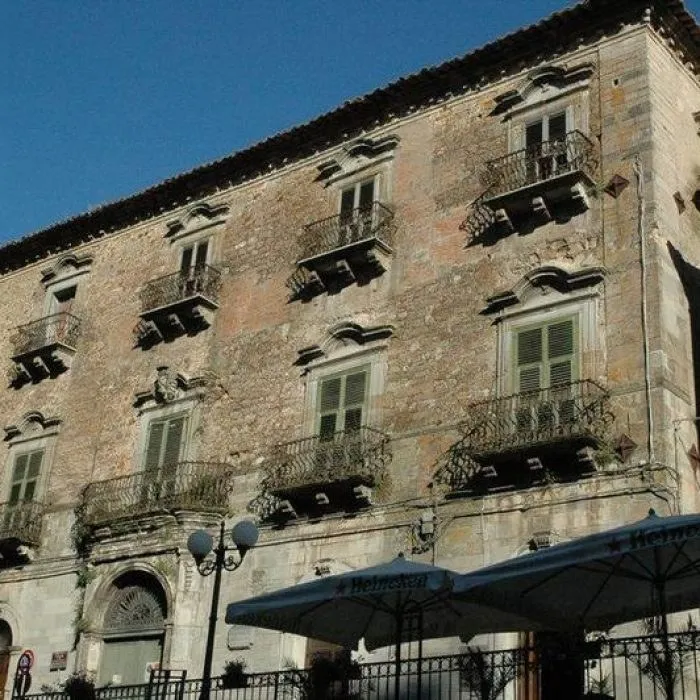
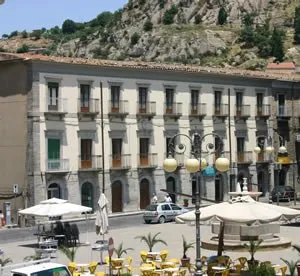
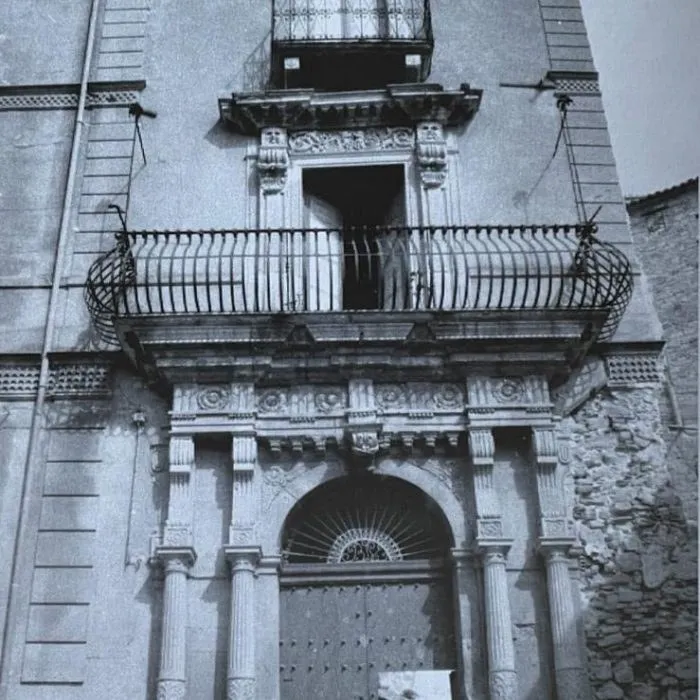
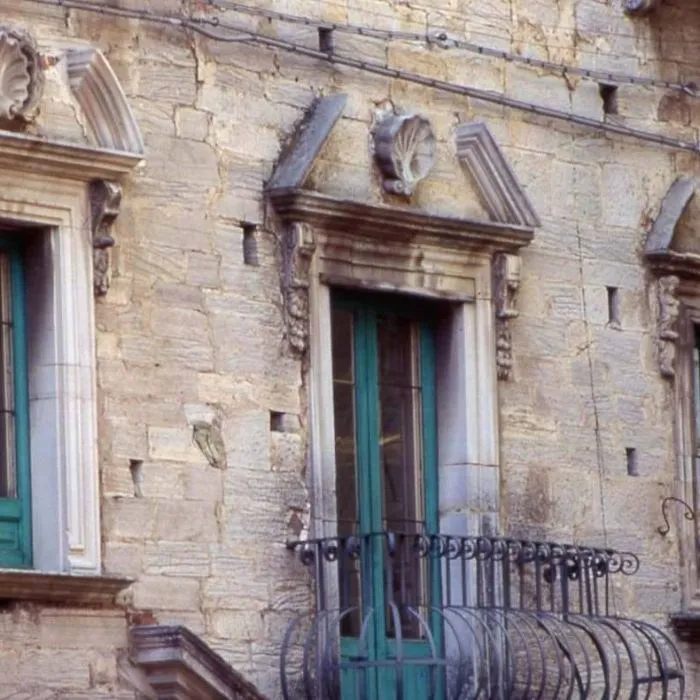
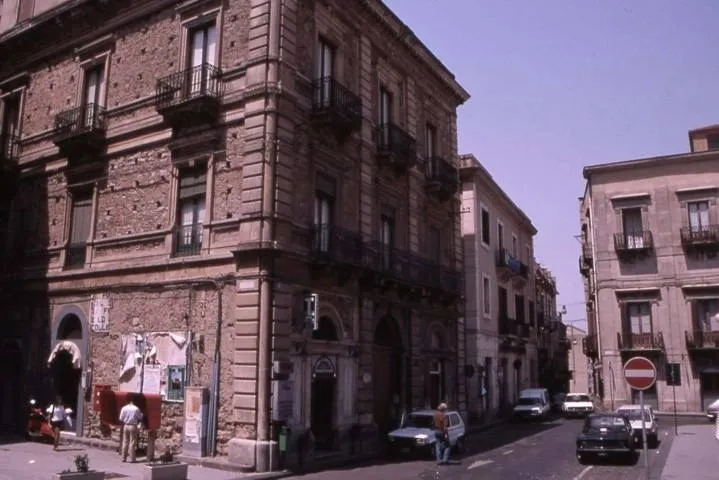
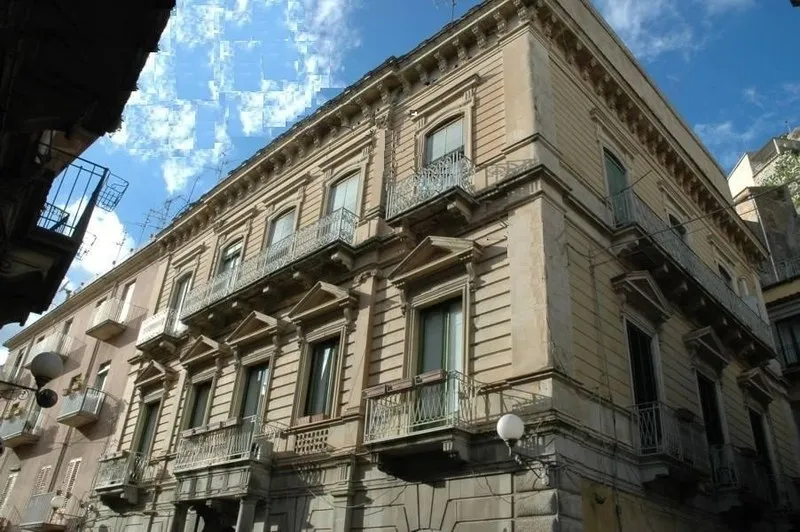
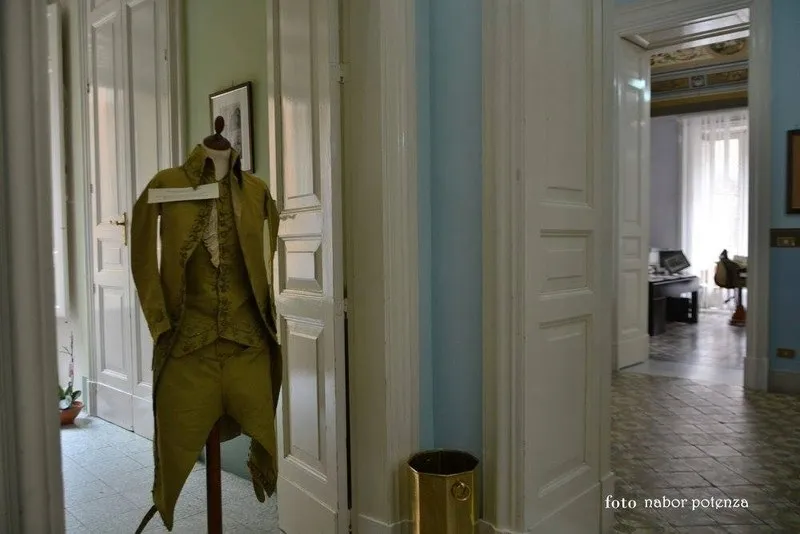
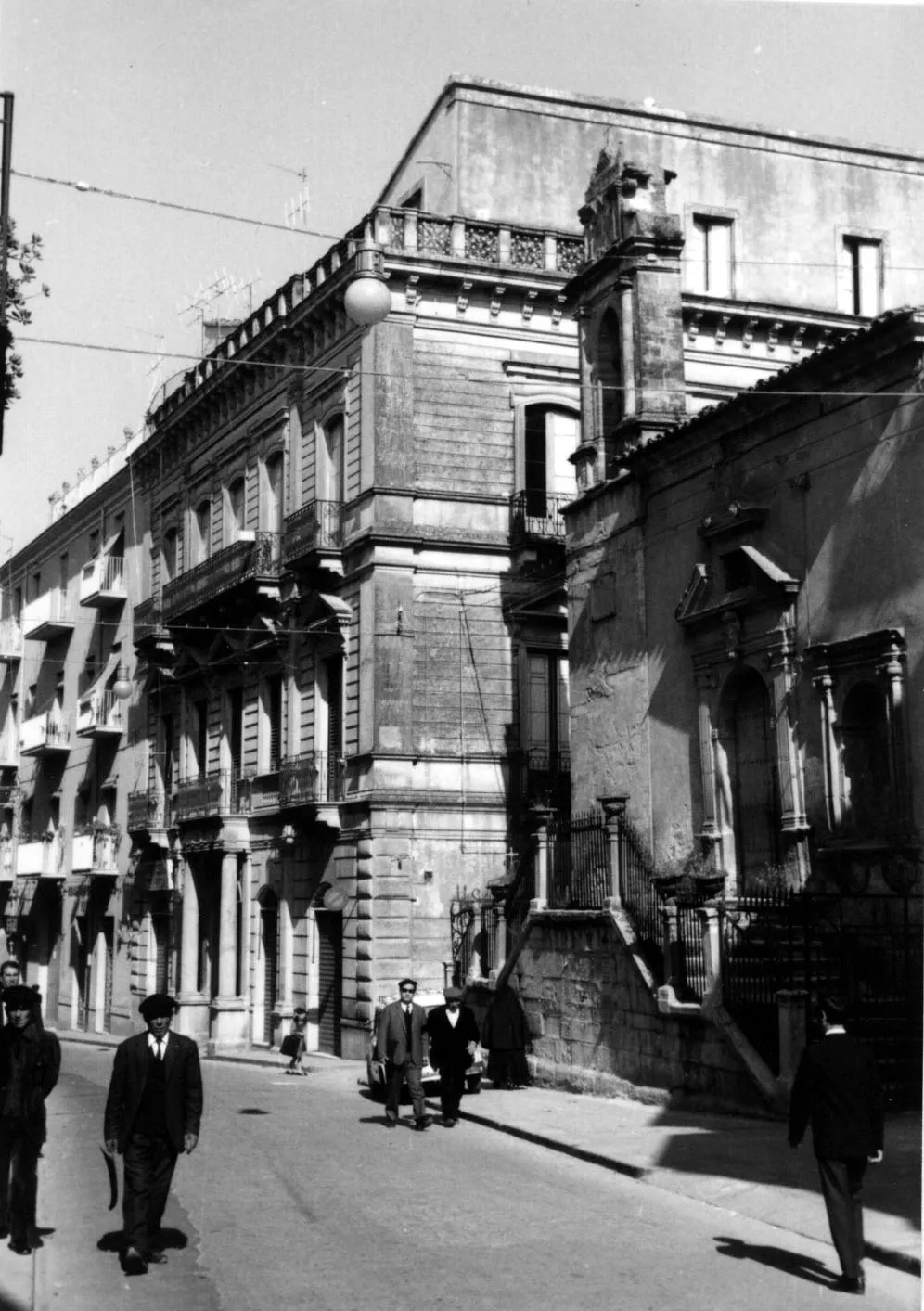
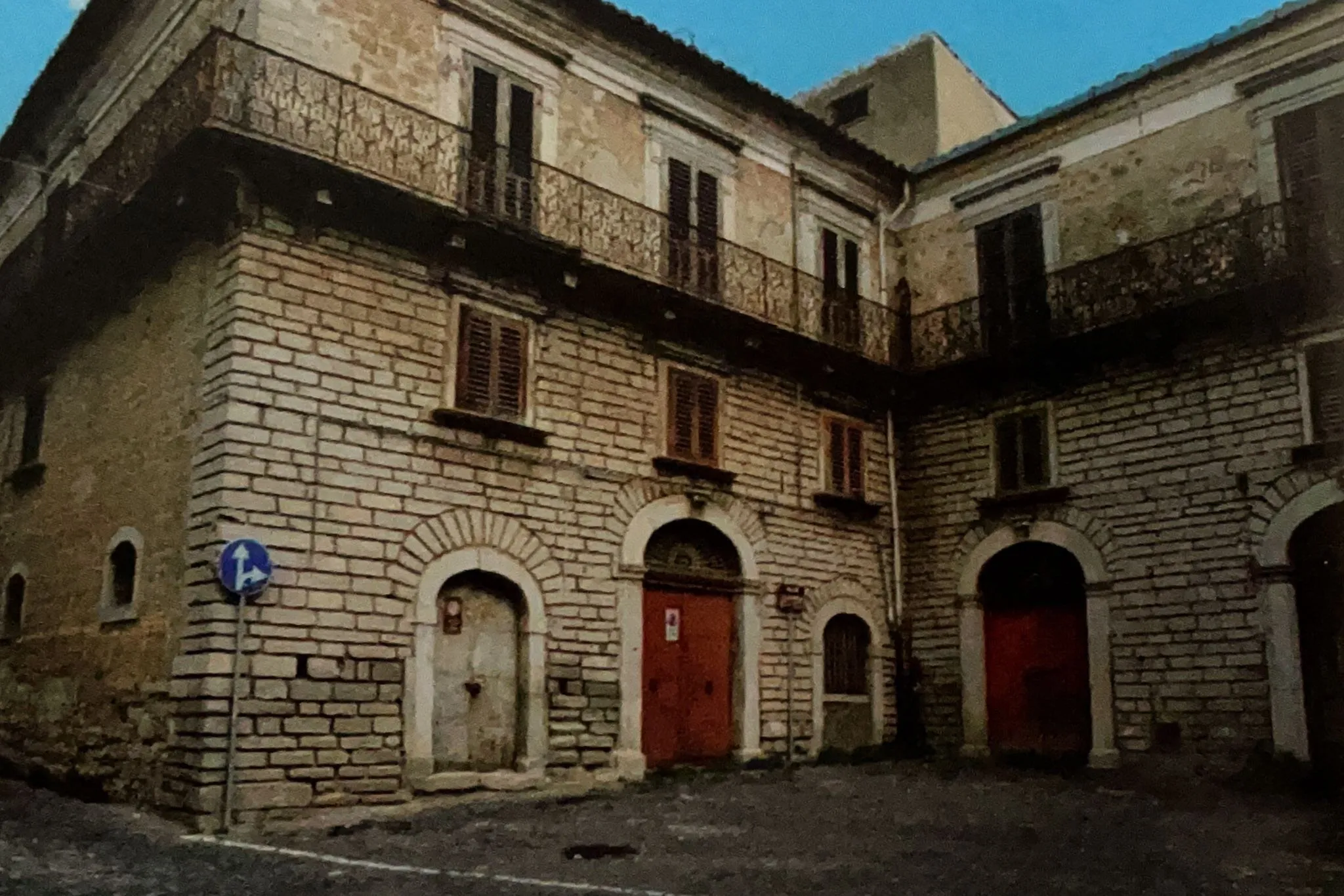
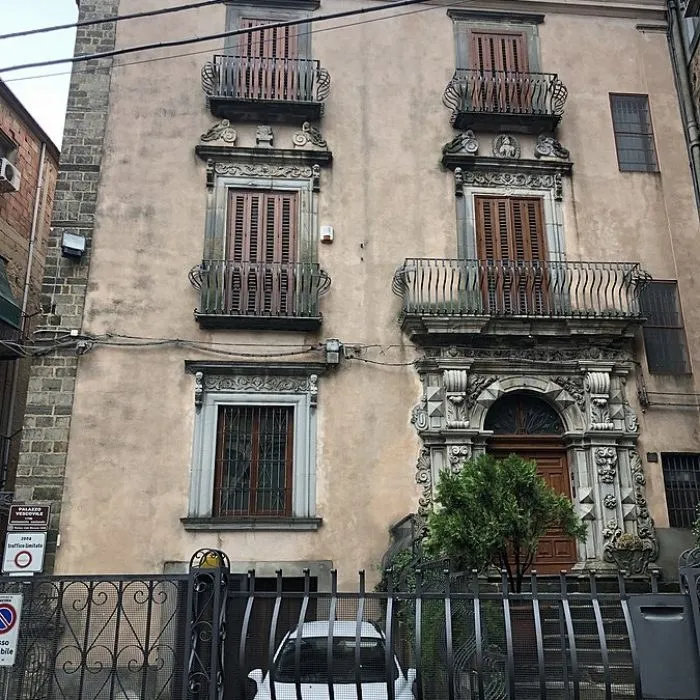
Photo note: the visual documentation of the baronial palaces is being continuously expanded. Photos: Vivi Nicosia archive, Pro Loco of Nicosia, ARO — Architettura, Rilievo, Opera, and local photographers (Nicola Biondo, Pisidda Roberto).
Where it is
Historic centre, Nicosia (Enna)