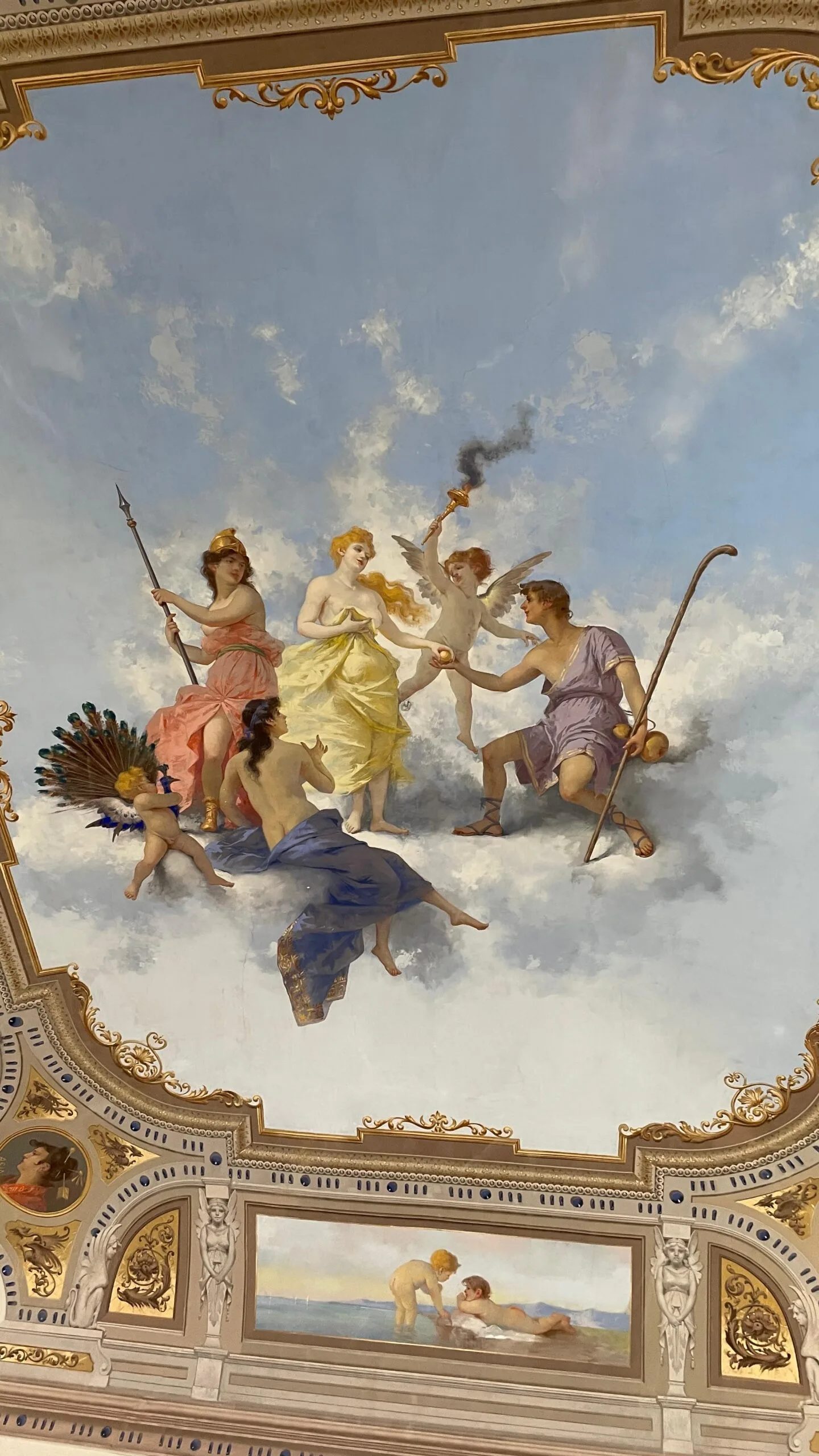
A church that isn’t in the guidebooks
The Church of the Most Holy Saviour is an example of high-quality minor heritage that does not appear in standard tourist guides but is an integral part of the religious identity of the historic centre.
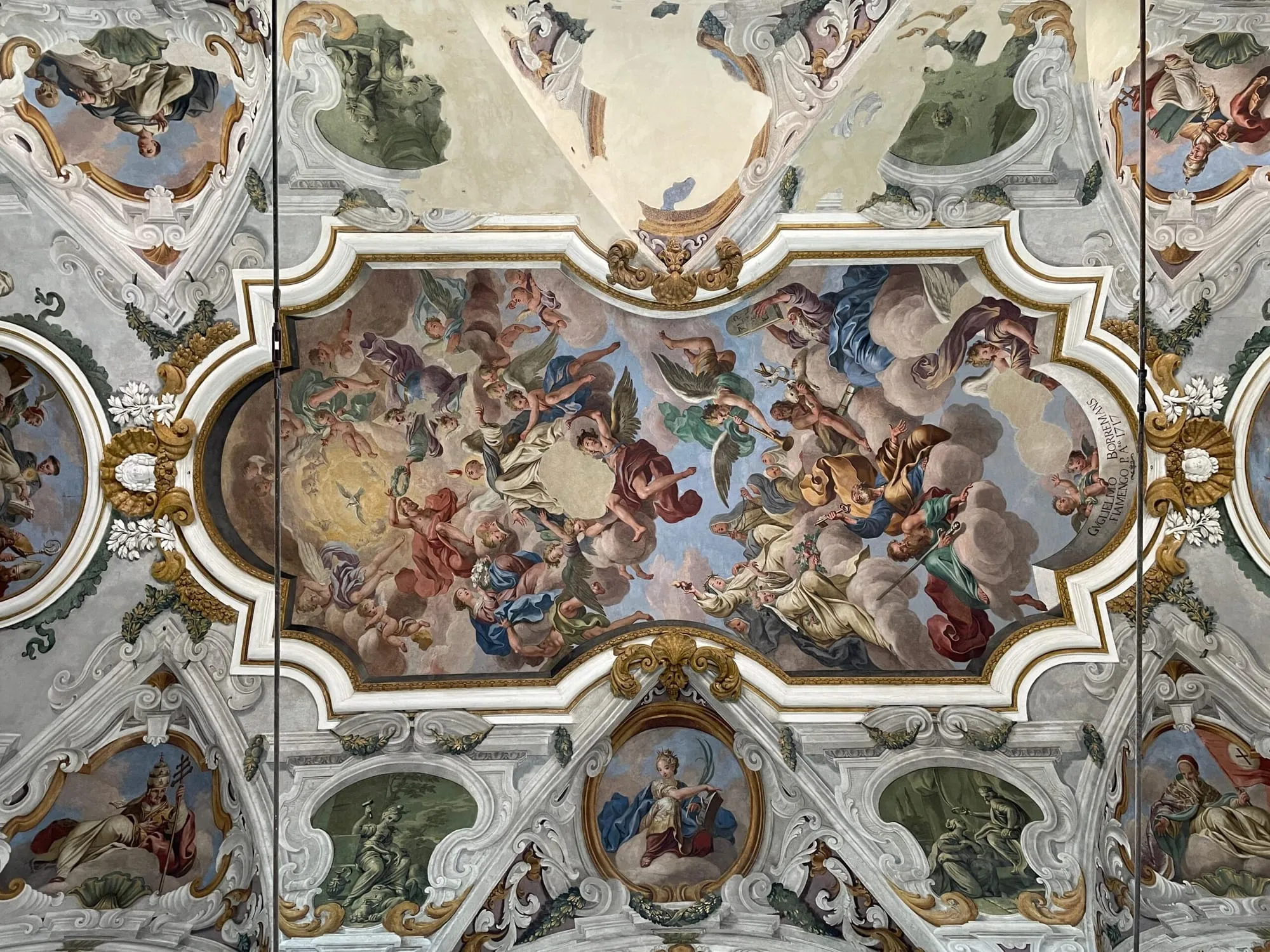
The interior — simple, intimate, single-naved — is decorated with 18th-century Sicilian stucco, featuring vegetal motifs, cherubs and cartouches at the pilaster capitals.
The façade onto the street
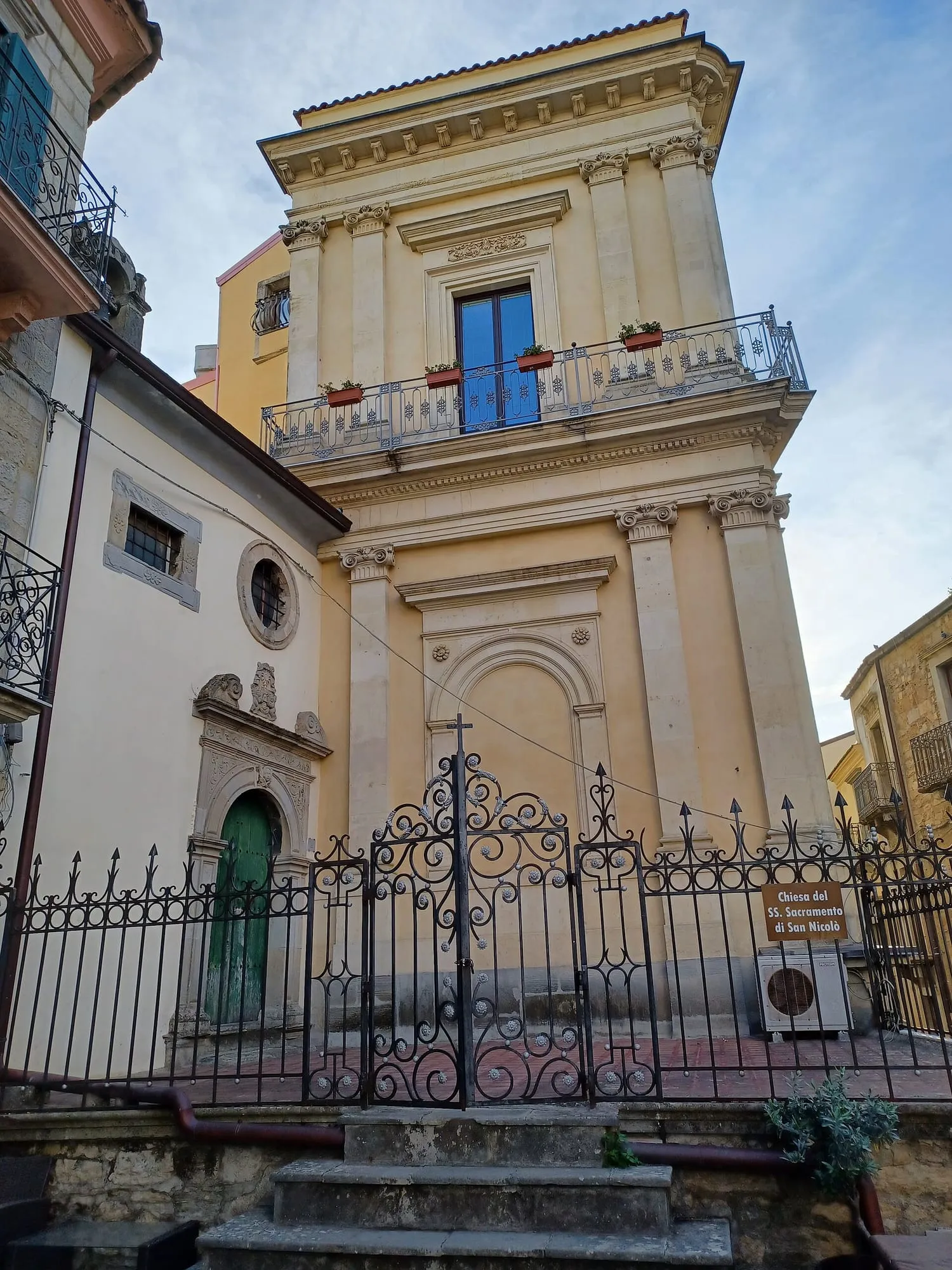
The exterior is simple, in local stone, with a round-arch portal and a central rose window. The façade opens onto one of the historic-centre alleys and is one of the reference points along the route of the Holy Thursday sepulchre visitations.
The high altar
The high altar preserves an 18th-century altarpiece of the Transfiguration, of uncertain attribution today (probably from the Palermo or Catania school). The 2018 restoration, financed by private Nicosian donations, brought back the original gilding of the frame.
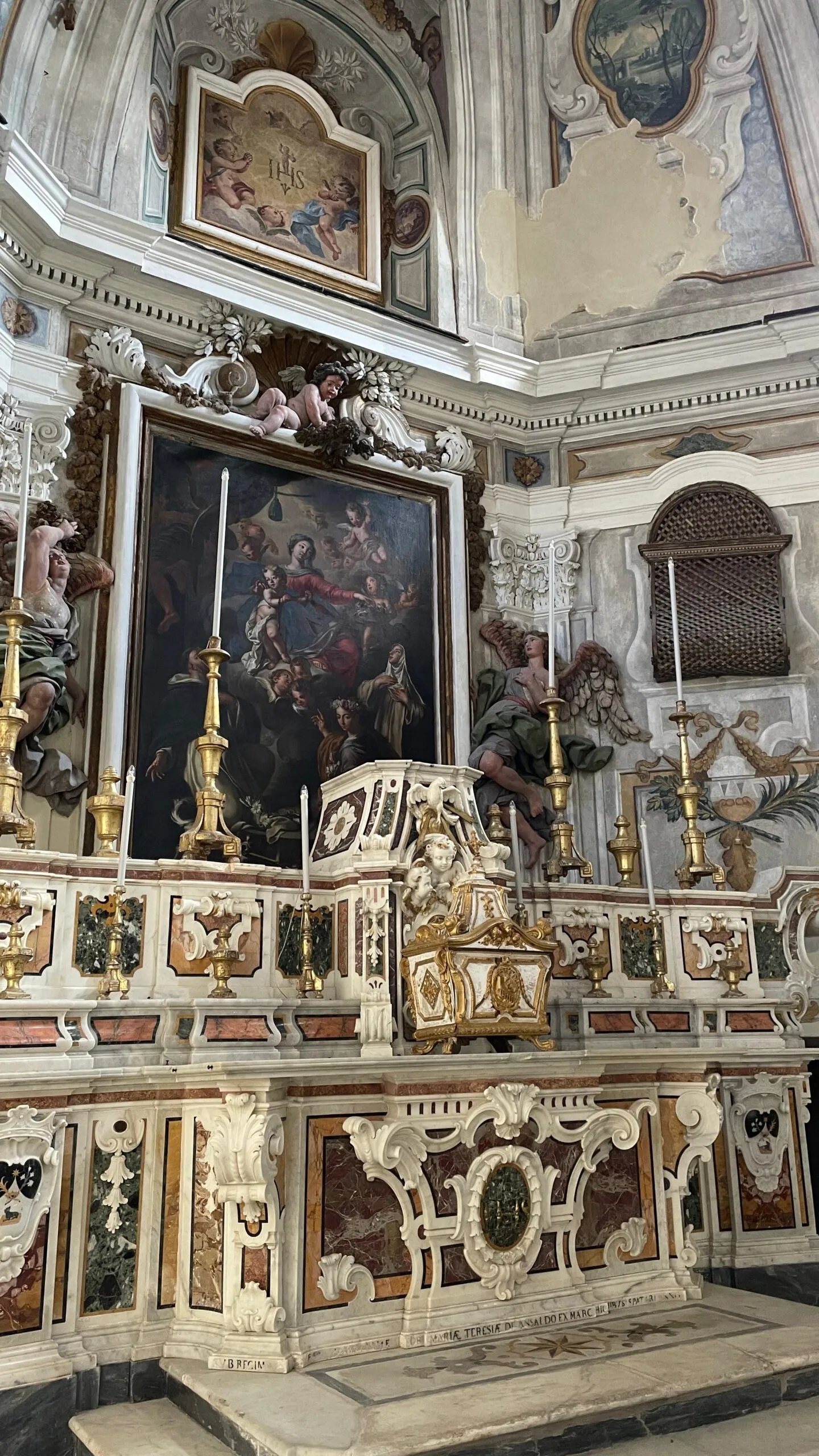
Further interior views
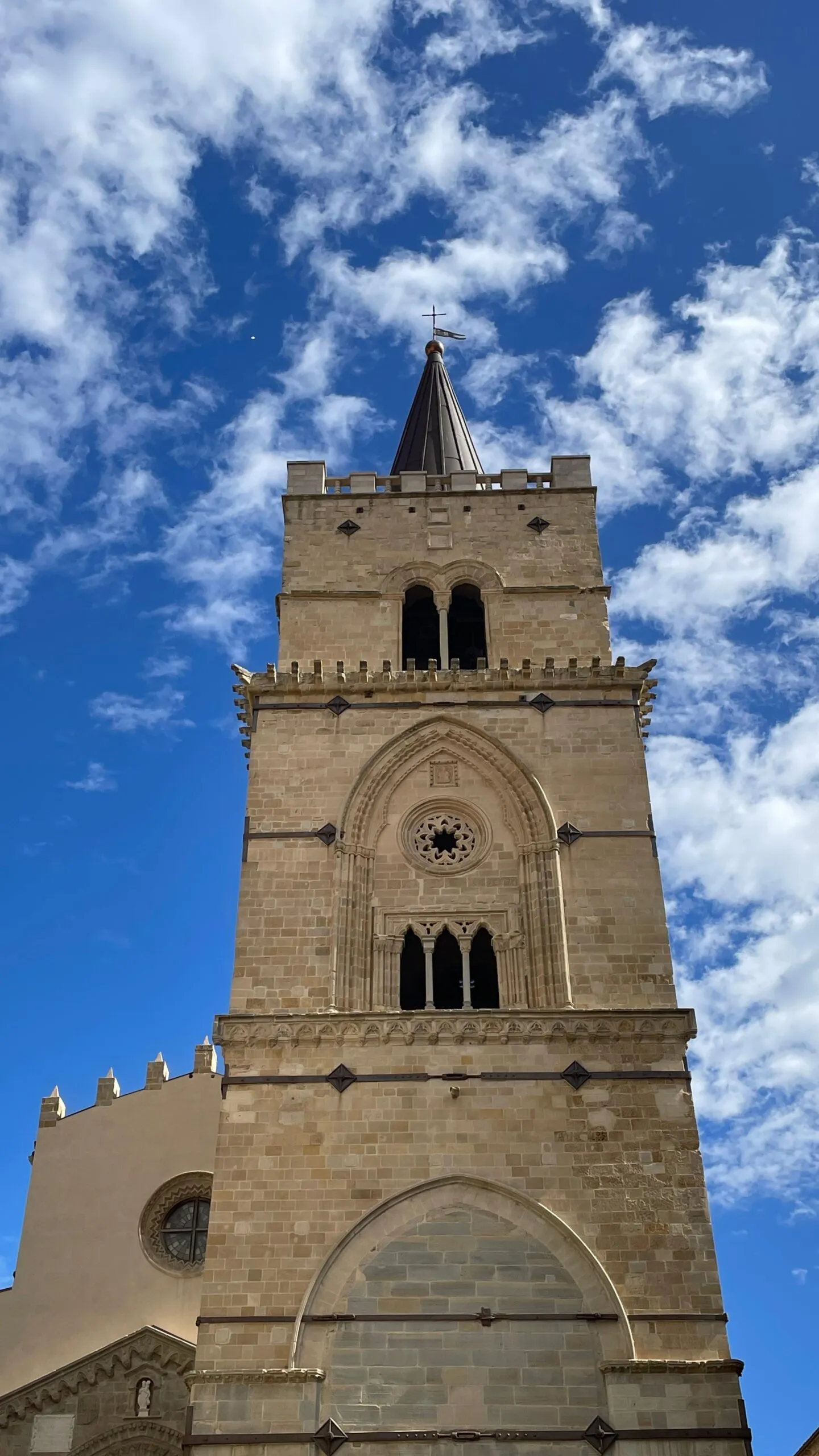
The side chapels — four in total — preserve minor altars, commemorative slabs from the 18th-19th centuries, and traces of the confraternities once based here.
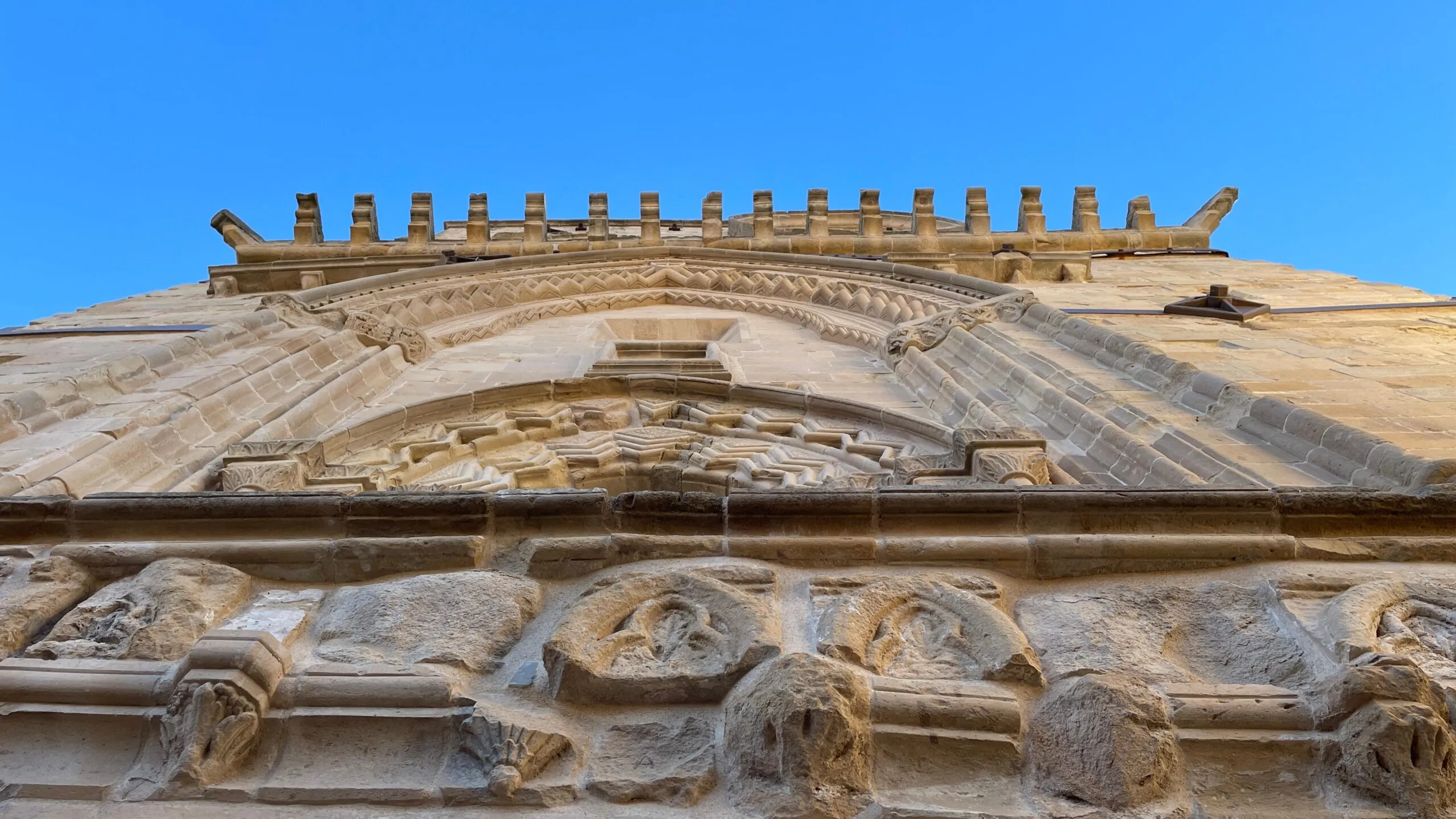
Visiting
Opening is not continuous: the church is mainly open for the Sunday 10 am Mass and for liturgical-calendar feasts (Holy Week, feast of the Most Holy Saviour in August).
For visits outside Mass hours, contact the Parish of San Nicolò, which coordinates access, or the Municipality’s Tourism Office.
A note on the minor heritage
Nicosia has about ten minor churches in the historic centre, some open regularly, others only on request. Together with the Cathedral and Basilica Santa Maria Maggiore, they tell the story of a religious fabric that has shaped the urban identity for over five centuries.
See also: Cathedral of San Nicolò, Basilica Santa Maria Maggiore, Oratory of the Holy Trinity, Church of San Vincenzo Ferreri.