An invisible heritage
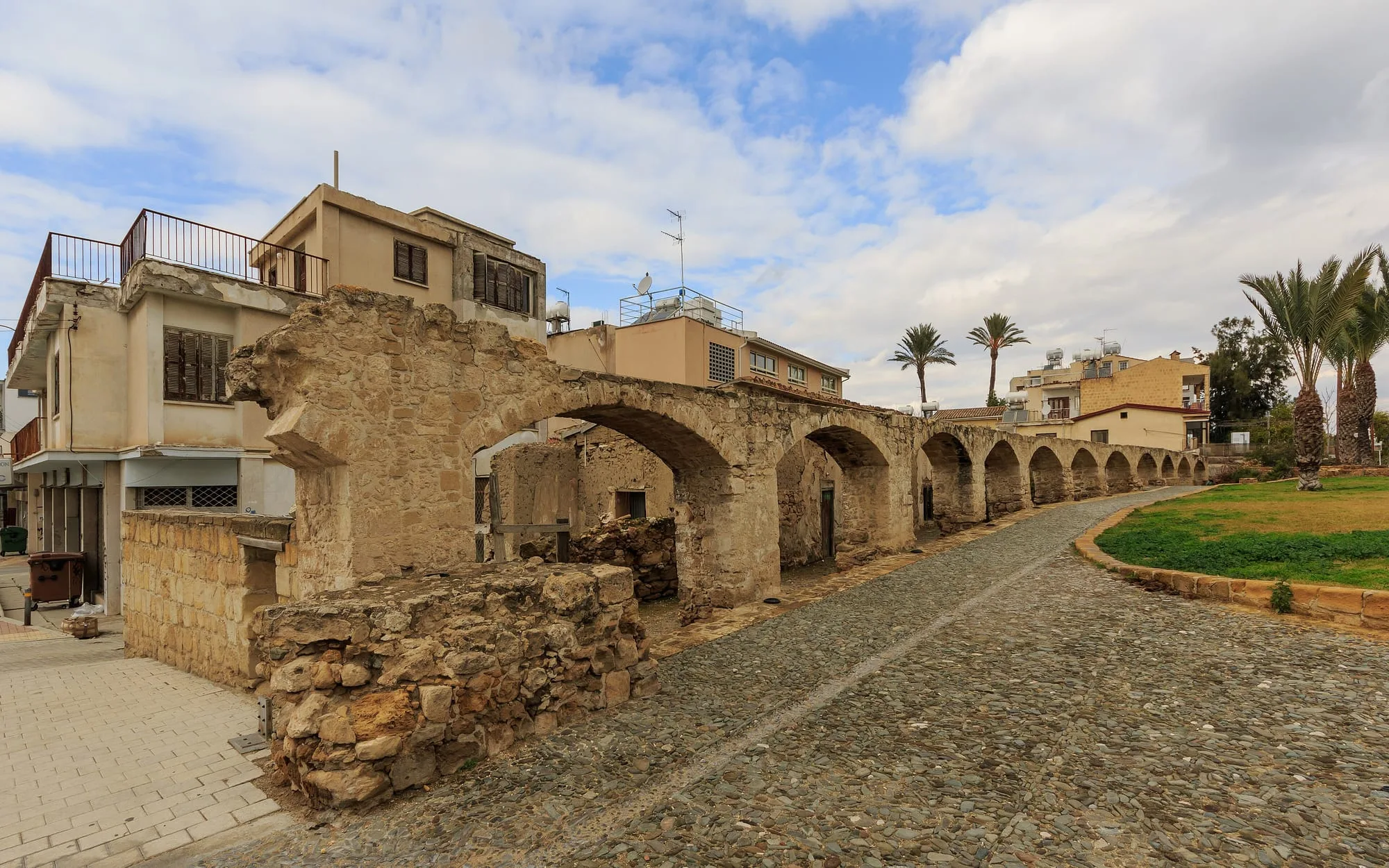
When an aqueduct works, no one sees it. When it stops working, it becomes a monument. That is what happened to the historic aqueduct of Nicosia: for centuries it carried water from the springs on the southern side of the Nebrodi to the town, and today its surviving sections are among the lesser-known but most striking monuments of the territory.
What remains today
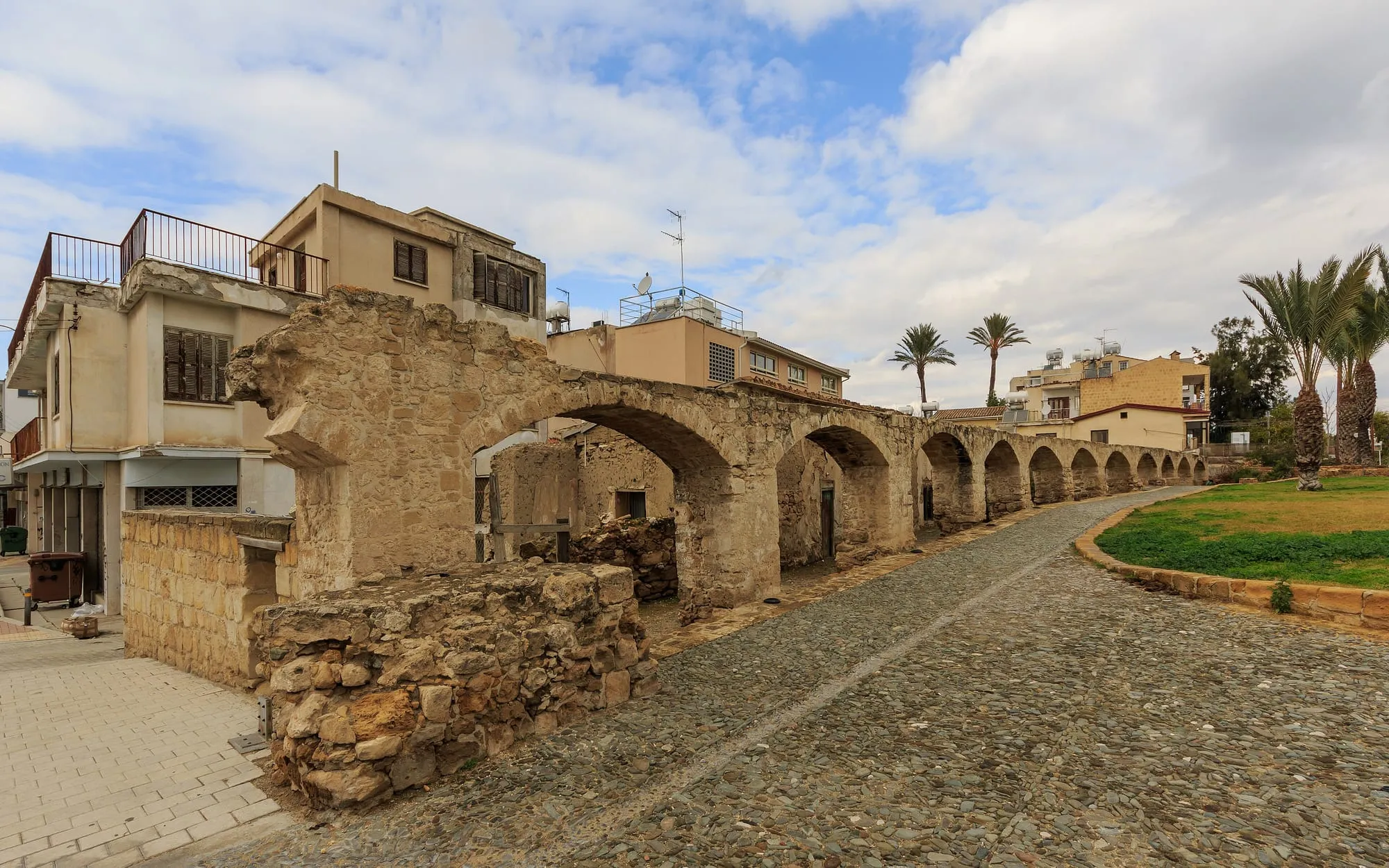
Along the historic route — about 8 km from the spring to the town — several monumental sections survive:
- stone arcades, built using the Roman double-inclination system;
- support piers up to 12 m high at the points where the aqueduct crossed watercourses;
- small compensation cisterns in masonry, now empty, along the route.
The chronology is uncertain: the oldest masonry probably dates to the 16th-17th century, while other sections are later additions (18th and 19th century) made to repair earthquake and winter-rain damage.
How it reached us
The historic aqueduct fell out of service in the 20th century, replaced by the modern municipal aqueduct fed by the Water Service’s reservoirs. Once it became disused, part of the urban sections were dismantled; the extra-urban part — in the countryside between Castagna, Albereto and Rossignolo districts — survived thanks to the distance from major construction sites and the natural embedding in the rural landscape.
Visiting
The aqueduct is not a museum site: there is no ticket office, no interpretive panels (yet). But it is visible and walkable from the rural paths crossing the Nicosian districts.
Practical tips:
- The best itinerary starts from Masseria Rossignolo and follows the best-preserved aqueduct sections for ~2 km.
- Hiking boots recommended (uneven ground, spontaneous vegetation).
- The walk combines well with a visit to Masseria Rossignolo or with the Nebrodi trekking.
A valorisation project under way
The Municipality, in collaboration with the Enna Superintendency, is preparing a PNRR application for:
- systematic photographic cataloguing of the surviving sections;
- interpretive panels along the route;
- integration of the alignment into the 24 Barons Trail as a historic-hydraulic variant.
Implementation dates are pending the call’s approval.