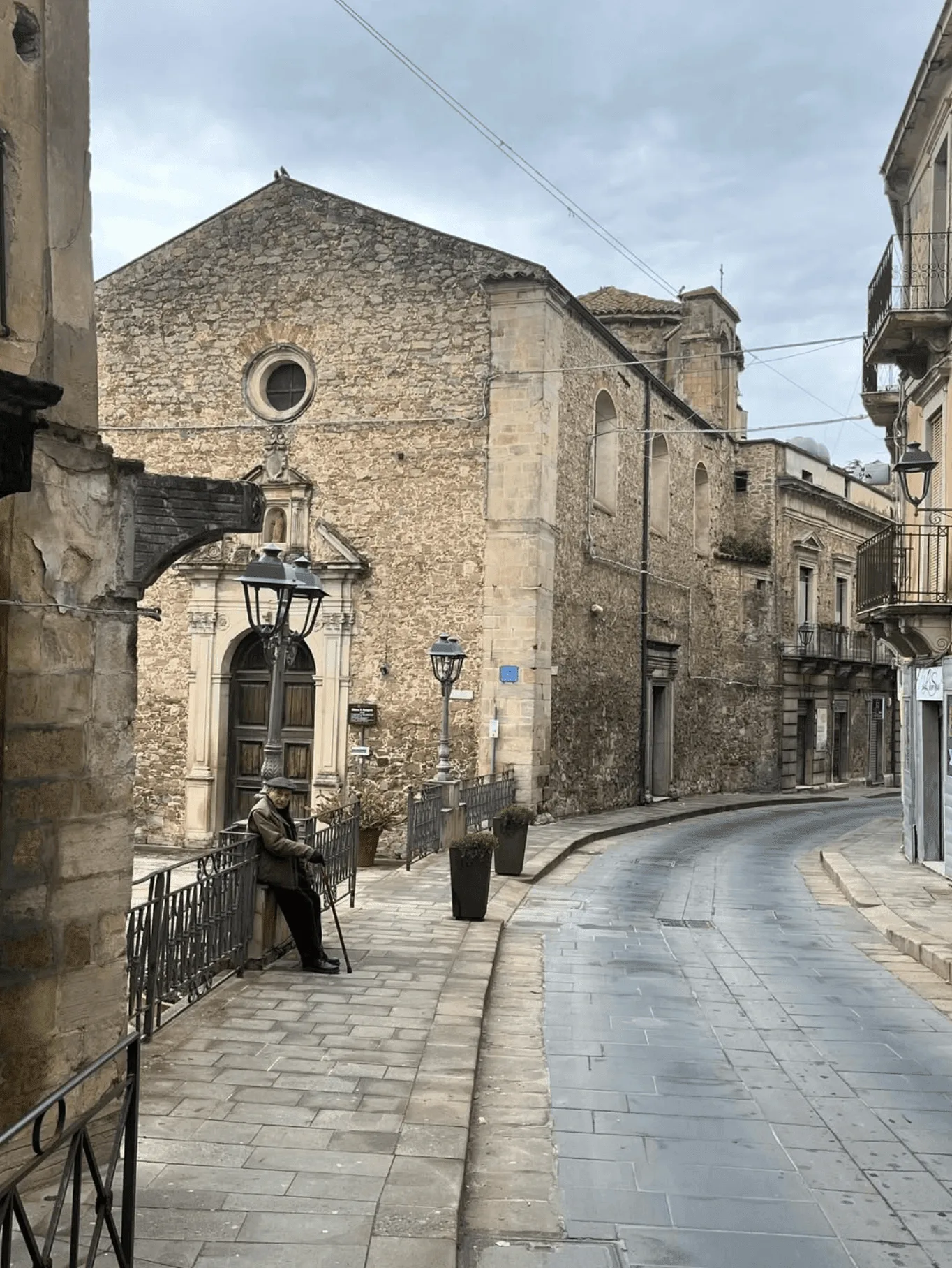
A silent memory
In the eastern sector of Nicosia’s historic centre lies a quarter that has not had its community for over five hundred years, yet still shows architectural and toponymic traces visible to those who can read them: the Giudecca, the medieval Jewish neighbourhood.
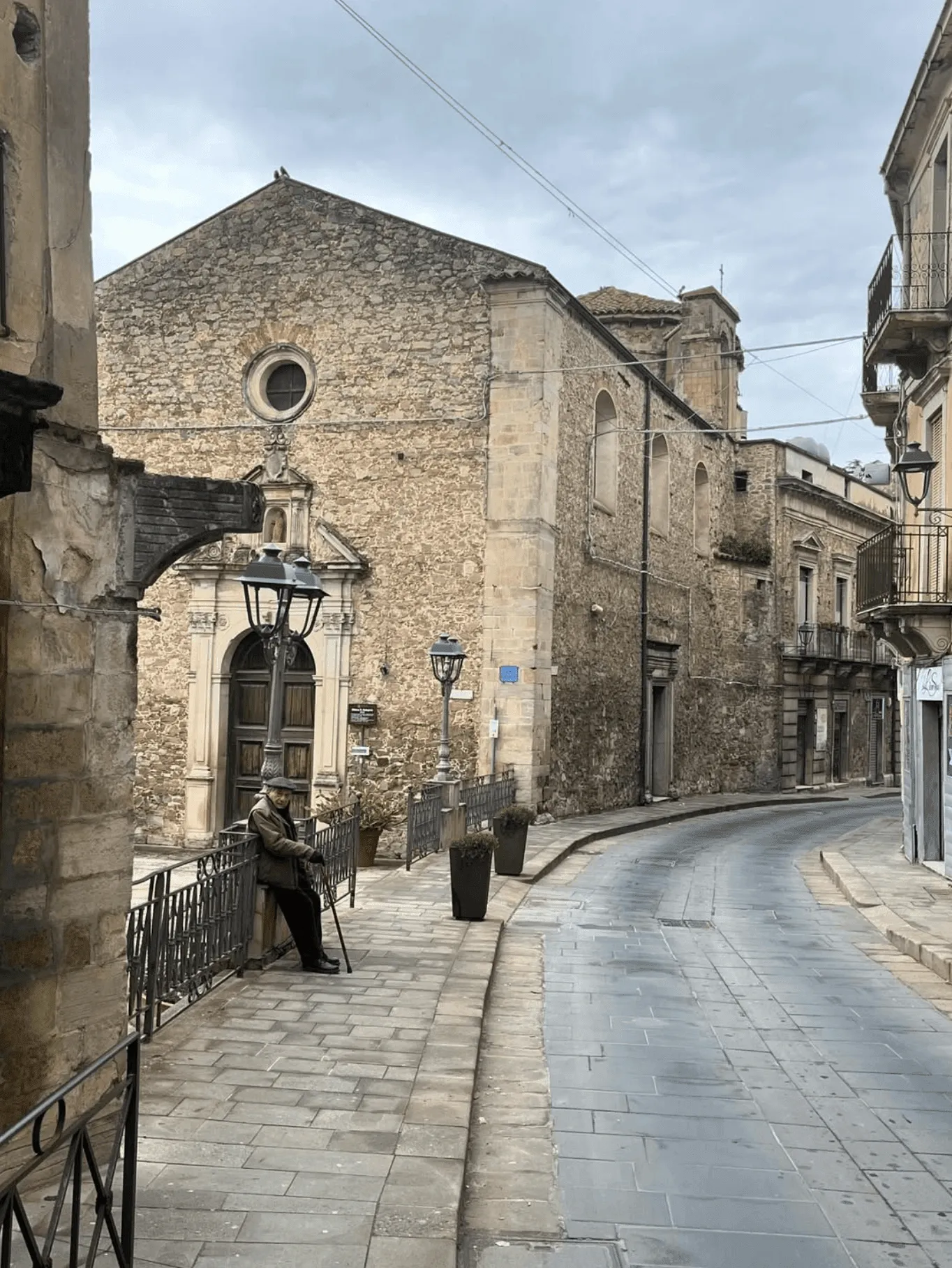
Jews in inland Sicily
The Sicilian Jewish community is documented since late Roman antiquity and developed particularly under Byzantine, Arab and Norman rule. Nicosia, a stopover town on the Palermo-Catania axis, had a flourishing Jewish community documented by notarial and fiscal sources between the 12th and 15th centuries.
The main activities were:
- textile crafts and dyeing;
- trade along the historic SS117;
- medicine;
- interest-bearing loans (regulated by canon law).
1492 and the end
With Ferdinand the Catholic’s edict of expulsion of 31 March 1492, the entire Jewish community of the Kingdom of Sicily was forced either to convert to Christianity or to leave the island within three months. Nicosia, like every Sicilian town, witnessed the departure or forced conversion of its Jewish community.
Properties were confiscated or sold to local Christian families. Synagogues were demolished or converted. The quarter — the Giudecca — was progressively absorbed into the Christian urban fabric, but kept its toponymy and a certain urban identity (narrow alleys, tall slender buildings).
What to look for today
Walking through the quarter you can observe:
- Memorial toponymy: some streets of the eastern sector preserve in their old names traces of the Jewish presence.
- Tower houses: typical of medieval Sicilian Jewish quarters, built tall and narrow to maximise space.
- Possible traces of a mikveh (Jewish ritual bath) — not formally identified but the subject of recent studies.
- Internal courtyards with cisterns, typical of medieval residential architecture.
A site of memory
The Jewish Quarter of Nicosia is not a formal museum site. There are no interpretive panels, no ticket office. It is silent memory that lets itself be read by those who know they are looking.
The Municipality and the Diocese have begun a dialogue with the Jewish Community of Catania (the nearest) for:
- an annual commemorative day (around 31 March, anniversary of the 1492 edict);
- an interpretive installation along the alleys of the quarter;
- archaeological and archival studies to reconstruct the community’s history.
Visiting
The quarter is freely walkable. We recommend combining the visit with a historic-centre walking tour led by a local guide who can tell the story beyond the stones.
See also: Historic-centre walking tour, Palaces of the 24 Barons.